Every planning email we get for next season eventually lands on the same question: what will Komodo weather 2027 look like, month by month, once you are actually out on the water? We cannot forecast a specific week eighteen months out — nobody honestly can — but our crews have sailed these straits every month since 2015, and the seasonal rhythm of Komodo National Park is one of the most reliable in Indonesia. This planner lays out that rhythm in numbers: air and water temperature, rain days, wind, swell and visibility, so you can pick your 2027 dates with real data instead of guesswork.
Quick Answer
Komodo is dry from April to November (24–33°C air, 25–29°C water, 0–4 rain days a month) and wet from December to March (9–13 rain days, west-monsoon swell). July–August bring the strongest trade winds; October is the calmest, hottest month. Boats sail year-round, shared 3D2N trips from $220/person.
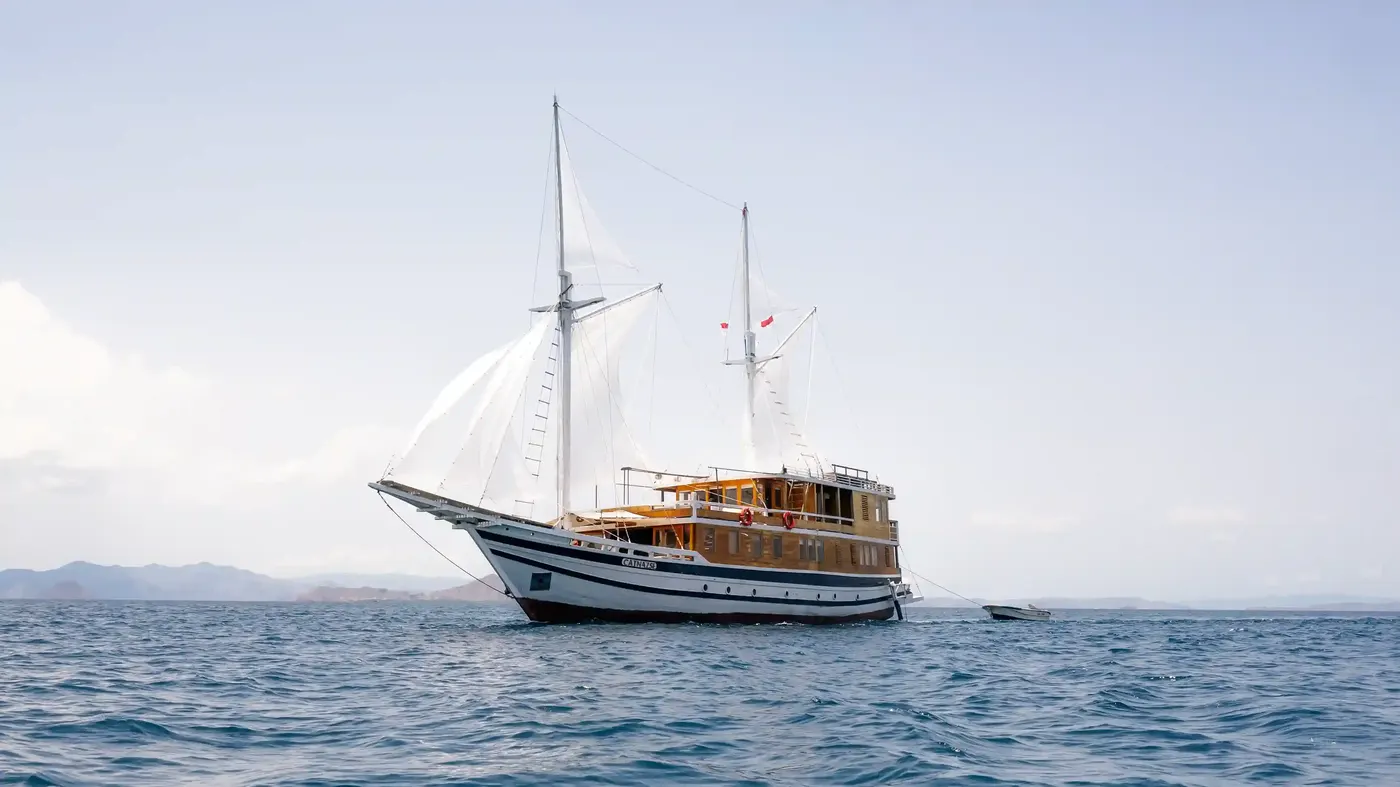
Komodo Weather 2027: The Month-by-Month Table
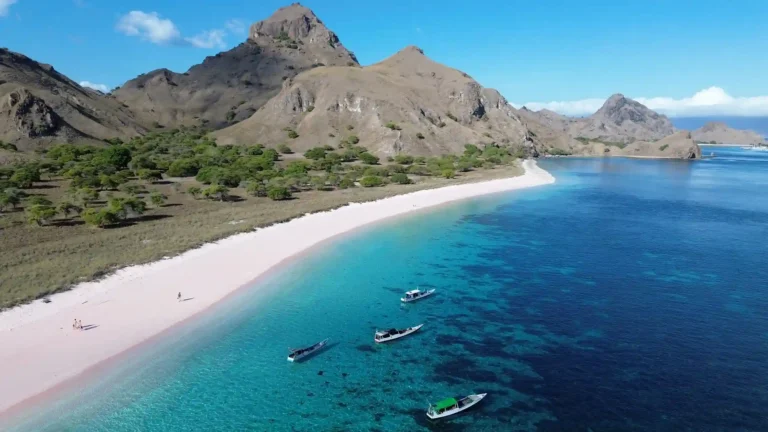
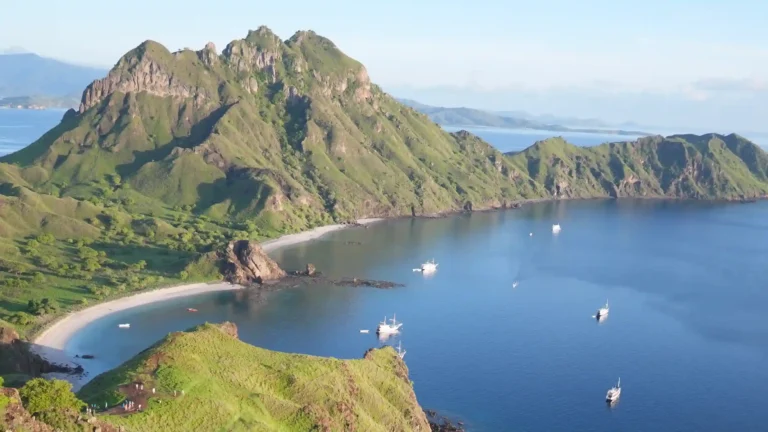
The figures below are drawn from established climate patterns for the Komodo–Labuan Bajo area and from what our captains log on the water, framed for 2027 planning. Komodo sits in one of the driest corners of Indonesia — that savanna landscape on Padar exists because the park receives only around 1,000–1,500 mm of rain a year, most of it squeezed into December through March. Treat the table as a seasonal average, not a promise for any single week.
| Month | Air temp | Water temp | Rain days | Wind & swell | Visibility |
|---|---|---|---|---|---|
| January | 27–31°C | 28–29°C | 12–13 | West monsoon; afternoon squalls, moderate swell on north crossings | 10–20 m |
| February | 27–31°C | 28–29°C | 11–12 | West monsoon easing late month; short sharp showers | 10–20 m |
| March | 27–32°C | 28–29°C | 8–10 | Transition; winds slackening, seas flattening week by week | 15–25 m |
| April | 27–33°C | 28–29°C | 3–4 | Light and variable; calm anchorages almost everywhere | 20–30 m |
| May | 26–32°C | 27–28°C | 1–2 | Southeast trades beginning; gentle chop by afternoon | 20–30 m |
| June | 25–31°C | 26–27°C | 0–1 | Trades building; whitecaps in the Linta Strait after midday | 20–30 m |
| July | 24–30°C | 25–26°C (south 22–24°C) | 0–1 | Trades near peak; cool nights on deck, lively crossings | 15–25 m north |
| August | 24–30°C | 25–26°C (south 22–24°C) | 0–1 | Windiest month; we run exposed crossings before 07:00 | 15–25 m north |
| September | 25–31°C | 26–27°C | 1 | Trades easing; seas settling, mornings glassy again | 20–30 m |
| October | 26–33°C | 27–28°C | 2 | Lightest winds of the year; flat, hot, superb sailing | 20–30 m |
| November | 27–34°C | 28–29°C | 4–5 | Hottest month; building humidity, first isolated storms | 15–25 m |
| December | 27–32°C | 28–29°C | 9–11 | West monsoon onset; showers between long sunny spells | 10–20 m |
Two details in that table matter more than most people expect. First, the cold water in the south from July to September is real: upwelling from the Indian Ocean drops sites like the manta aggregations off south Komodo to 22–24°C while the north stays at 25–26°C, which is why our guides carry 5 mm wetsuits on southern routes in August but snorkel the north in 3 mm shorties. Second, “rain day” in Komodo rarely means a washed-out day — even in January the usual pattern is a hard 40–90 minute downpour, often in the late afternoon or overnight, followed by clearing skies. Full grey days exist, but they are the exception even in the wet season. For how these numbers translate into the best trip for you, our best time to visit Komodo guide ranks the months by trekking, diving, crowds and price.
How the Monsoons Work in These Straits
Komodo’s year is governed by two wind systems. From roughly December to March the west (northwest) monsoon pushes moist air off the Asian continent across the Flores Sea. This is the season of squalls, of swell wrapping around the north of Komodo and Gili Lawa, and of captains choosing anchorages for shelter rather than sunset angle. Captain Yusuf’s habit in January is simple: sail the protected legs in the afternoon, save the exposed northern crossings for the 06:00–09:00 window when the overnight convection has died, and keep Padar’s 05:15 sunrise start exactly where it is — the wet-season dawns, washed clean by overnight rain, are honestly the clearest of the year.
From May or June to September the pattern flips: the southeast trades blow dry air up from Australia, day after day, with almost zero rain. This is what makes the July–August high season so dependable for trekking — but the same trades are also the year’s strongest sustained wind, funneling between islands and kicking up short, steep chop in the Linta Strait between Komodo and Rinca. It is uncomfortable rather than dangerous on a well-run boat; we schedule those crossings for early morning and nobody spills their coffee. April, October and early November are the transitions: light winds, flat seas, and the closest thing Komodo has to guaranteed postcard conditions.
Pick Your 2027 Month With a Human, Not a Chart
Tell us what matters most — dragons, mantas, calm seas or low season prices — and we’ll match you to the right month and boat. Shared 3D2N phinisi trips from $220/person (about IDR 3.5–5.5 million at market rates).
El Niño, La Niña and the Honest 2027 Caveat
Here is the part most weather guides skip: the table above describes a neutral year, and 2027’s character will depend on the state of the Pacific, which is not reliably predictable this far out. In an El Niño year the dry season runs longer and harsher — the 2015 and 2023 events stretched bone-dry conditions deep into November and made the savanna hills go golden-brown early. In a La Niña year the opposite happens: the wet season starts sooner, rains harder, and can push shower activity into April. Neither pattern shuts the park down; both shift the edges of the seasons by a few weeks. Our practical advice for 2027 is to check the ENSO outlook from Indonesia’s meteorological agency BMKG about three months before you travel, and if you are booking the shoulder months (March–April or November–December), build one flexible day into your Labuan Bajo plans rather than flying out the morning your boat docks.
What Weather Actually Cancels a Trip (Almost Nothing)
In a typical year the Labuan Bajo harbor master closes the port for a handful of days, almost always between late December and February when a strong west-monsoon surge or a distant tropical low sends heavy swell into the Flores Sea. Those closures are announced, absolute, and we never argue with them — if the port is shut, every licensed boat stays in, and we move your departure or refund the sailing day. That is the rare case. The common case is rerouting: the park is an archipelago, so there is nearly always a lee shore. If the north is rough we run the inner route past Rinca and Kelor; if a squall sits over Padar at dawn we flip the itinerary and trek it the following morning. Our skippers make that call the evening before, over the forecast and the radio net, not at the jetty with your bags packed. The full protocol — safety equipment, crew briefings, what happens to park fees if a stop is skipped — is covered in our Komodo trip safety guide.
Packing by Season
Dry season (April–November): sun is the hazard, not rain. UPF shirt or rashguard, reef-safe sunscreen, polarized sunglasses, a real hat that survives wind, and 1.5–2 liters of water capacity per person for the Padar climb — the trail has zero shade and mid-morning trail temperatures pass 35°C. July and August travelers should add a windproof layer and a light fleece: 24°C on a moving deck at 05:30 feels genuinely cold, and divers heading to the southern sites will want that 5 mm suit. Wet season (December–March): a packable rain shell, a dry bag for phone and passport on tender rides, quick-dry everything, and grippy trail shoes, because Padar’s volcanic soil turns slick after a downpour. Year-round: seasickness tablets if you are unsure of your stomach — the July chop and January swell earn them. The complete checklist, down to power-bank capacity and cabin plug types, lives in our what to pack for Komodo guide.
The honest summary for your 2027 calendar: April–June and September–October give the best all-round odds, July–August trade a windier ride for zero rain and peak-season energy, and December–March reward flexible travelers with green hills, empty trails and the year’s lowest shared-cabin prices. There is no bad month to sail Komodo — there are only months that suit different travelers, and boats crewed by people who read the water every single day.
Ready to Lock In Your 2027 Dates?
Day trips from $120, shared 3D2N liveaboards from $220, private charters from $1,200/day. Popular 2027 months book out early — October first.
Keep Planning Your 2027 Trip
Best Time to Visit Komodo
Months ranked by trekking, diving, manta odds, crowds and price — the decision-maker companion to this weather table.
Komodo Trip Safety
How licensed boats handle wind, swell and port closures — rerouting practice, crew standards and maritime inspections.
What to Pack for Komodo
The season-by-season packing list: sun kit for the trades, rain shell and dry bags for the monsoon, wetsuit thickness by site.