
Best Time for a Komodo Trip — Season & Weather Guide

Best Time to Visit Komodo: Complete Seasonal Guide

Plan your perfect Komodo adventure with our month-by-month breakdown

Book Your Preferred SeasonView Available Dates

Quick Answer: Peak Season vs Off-Season

Dry season (April-December) offers ideal conditions with calm waters and sunny skies, while wet season (January-March) brings fewer crowds, lush landscapes, and discounted rates—each season delivers unique advantages for different traveler preferences.

Dry Season Overview: April to December

The dry season represents Komodo’s most popular travel period, characterized by consistent sunshine, calm seas, and excellent visibility for water activities. Daytime temperatures range from 75-85°F (24-29°C), creating comfortable conditions for hiking, trekking, and outdoor exploration. Clear skies enable stunning wildlife photography and unobstructed views of dramatic landscapes.

Water conditions during dry season are ideal for snorkeling, diving, and boating. Calm seas reduce travel time between islands and allow safe access to all park areas. Wind patterns remain predictable, enabling optimal sailing conditions for phinisi boats. Visibility underwater exceeds 60 feet (18 meters) consistently, revealing vibrant coral gardens and abundant marine life.

Peak tourism during dry season means higher accommodation costs, crowded attractions, and necessity for advance bookings. Prices peak during June through August when European and Australian school holidays coincide. However, the superior conditions justify the increased expense for many travelers prioritizing optimal experiences.

Wet Season Benefits: January to March

The wet season transforms Komodo into a verdant paradise with significantly fewer tourists. Occasional afternoon downpours refresh the landscape, creating dramatic cloud formations and reducing daytime heat. Vegetation flourishes during these months, and the refreshed environment appeals to nature enthusiasts. Accommodation rates drop substantially—often 30-50% lower than dry season—making extended stays more affordable.

While rainfall increases during wet season, it typically arrives in brief afternoon showers rather than day-long precipitation. Mornings remain largely clear, allowing morning activities before afternoon weather changes. Sea conditions remain manageable for most days, though larger swells occasionally necessitate itinerary adjustments. Flexibility benefits those visiting during wet season.

Wet season delivers unique wildlife opportunities. Marine life concentrations shift in response to seasonal changes, creating different viewing opportunities. The abundance of vegetation attracts varied bird species and supports dynamic ecosystem activity. Budget-conscious travelers willing to embrace flexibility find wet season highly rewarding.

Month-by-Month Breakdown and Characteristics

January and February represent the wettest months with afternoon thunderstorms common but rarely lasting more than an hour. Temperatures reach 77-82°F (25-28°C). Humidity levels are highest, and some travelers experience discomfort. However, the landscape blooms magnificently, creating stunning photography opportunities. Park access remains possible though occasional rough seas may restrict some activities. Accommodation availability and rates are most favorable during these months.

March transitions toward dry season with decreasing rainfall and emerging clear days. Temperatures range from 76-84°F (24-29°C). Water conditions improve progressively, supporting enhanced snorkeling and diving. March represents a sweet spot—precipitation diminishes while costs remain below peak season levels. Crowds increase modestly as travel approaches dry season, yet accommodation still offers reasonable rates.

April through June represent shoulder season with optimal conditions and moderate crowds. Temperatures range from 75-85°F (24-29°C). Rainfall ceases, seas calm, and visibility surpasses 60 feet. School holidays haven’t yet begun, meaning fewer families travel. July and August coincide with European summer holidays, creating peak crowds and highest prices. September through December maintain excellent conditions with progressively declining crowds and better accommodation rates.

Specific Activity Considerations by Season

Dragon trekking is viable year-round, though dry season heat requires early starts and adequate water supplies. Dragons remain active throughout the year, though seasonal behavioral changes occur. December through February offers cooler trekking conditions. Wet season vegetation provides shade reducing heat stress during hikes.

Snorkeling and diving are optimal April through December when sea conditions enable safe boat operations and exceptional visibility. January-March occasional rough seas may restrict access to certain dive sites, though protected reef areas remain accessible. Manta ray season peaks July through October when currents concentrate these gentle giants in specific locations.

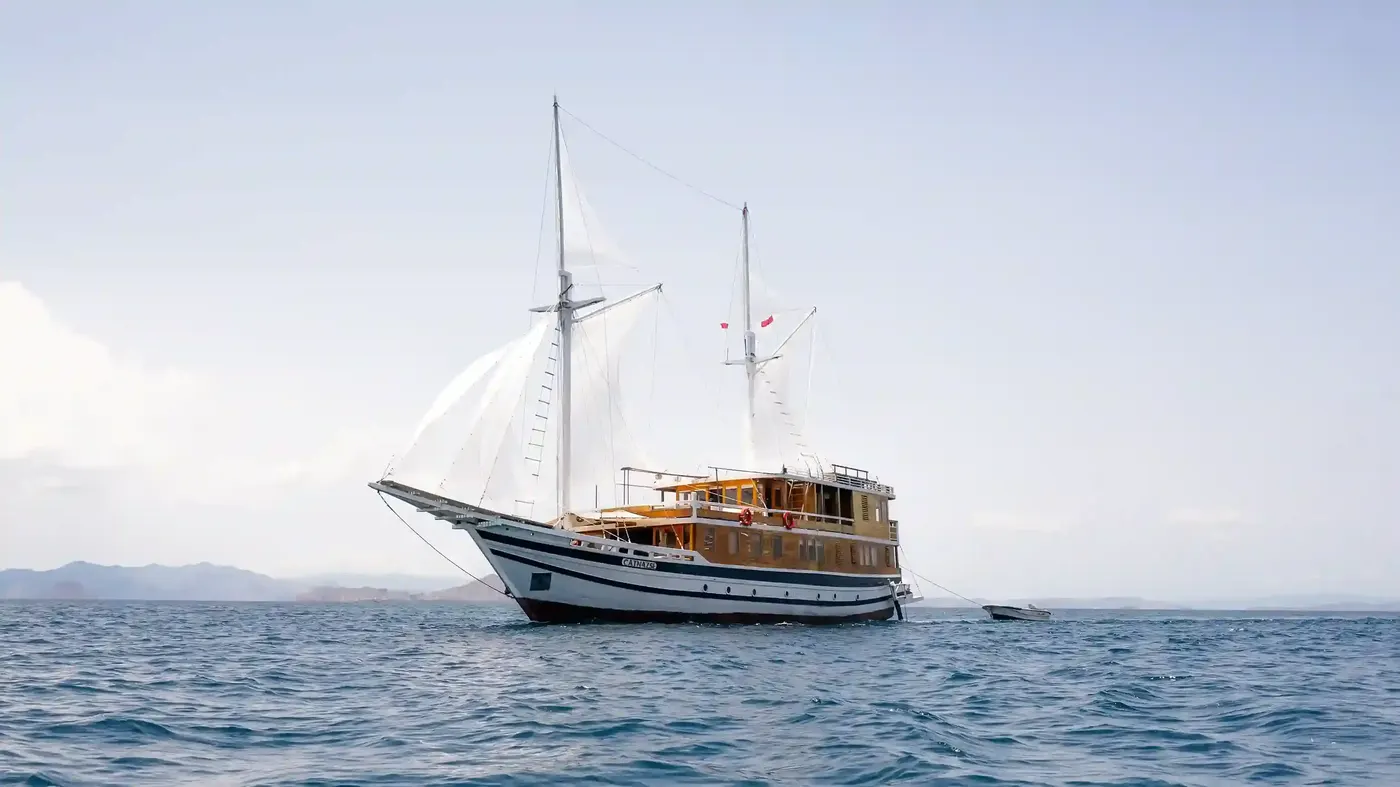
Phinisi sailing is ideal April through November when consistent winds and calm seas maximize comfort and sailing performance. Whale and dolphin watching improves during wet season when ocean temperatures support increased marine mammal activity. Bird watching is excellent year-round but enhanced during migration periods and breeding season variations.

Budget Planning and Accommodation Availability

Budget travelers prioritizing cost savings benefit from January through March visits when accommodation rates drop significantly and availability is abundant. Premium phinisi charters offer special rates during low season. Multi-day packages provide exceptional value outside peak season periods. Off-season flexibility allows extended stays within modest budgets.

Peak season (June-August) requires advance booking as popular accommodations fill months ahead. Last-minute availability diminishes significantly. Prices peak across all categories from basic guesthouses to luxury phinisi. Early booking during off-season for future peak-season travel secures preferred accommodations and competitive rates.

Shoulder seasons (March-May, September-November) balance favorable conditions with reasonable pricing. Bookings two months in advance typically secure good accommodation options. These periods attract experienced travelers who understand trade-offs between crowds and costs, creating more intimate experiences than peak season.

What is the absolute best month to visit Komodo?

April and May offer ideal conditions: calm seas, clear skies, and moderate crowds post-Easter holidays. September-October provide excellent weather with fewer tourists than summer months. Best month depends on your priorities—conditions or budget.

Can you visit Komodo during monsoon season?

Yes, visits are possible during wet season (January-March), though some activities may require adjustment. Afternoon rain is typical but brief. Sea conditions are rougher but manageable for experienced sailors. Flexibility and lower budget requirements make wet season viable.

How much should I expect to pay for accommodations by season?

Guesthouses range from $30-50 (wet season) to $80-150 (peak season). Mid-range hotels cost $60-120 (wet) to $150-250 (peak). Luxury accommodations start $150-300 (wet) and exceed $400-600 (peak season).

What are typical temperatures in Komodo?

Year-round temperatures range from 73-85°F (23-29°C). Humidity is consistently high (75-90%), making it feel warmer. Sea temperature stays 75-82°F (24-28°C) throughout the year, ideal for swimming and water activities.

Should I avoid Komodo during any particular season?

No season is completely unsuitable. Experiences vary seasonally but all periods offer unique advantages. Choose based on your weather preference, budget, and desired activities rather than avoiding specific months.

Choose Your Ideal Season and Start Planning

Every season in Komodo offers unique experiences and opportunities. Our expert team helps match your preferences with optimal travel timing for unforgettable adventures.

Book Your Preferred Season   Ask Our Seasonal Experts

Plan Your Komodo Trip Today

Talk to our specialists for tailored itineraries and instant quotes.

Book via WhatsApp