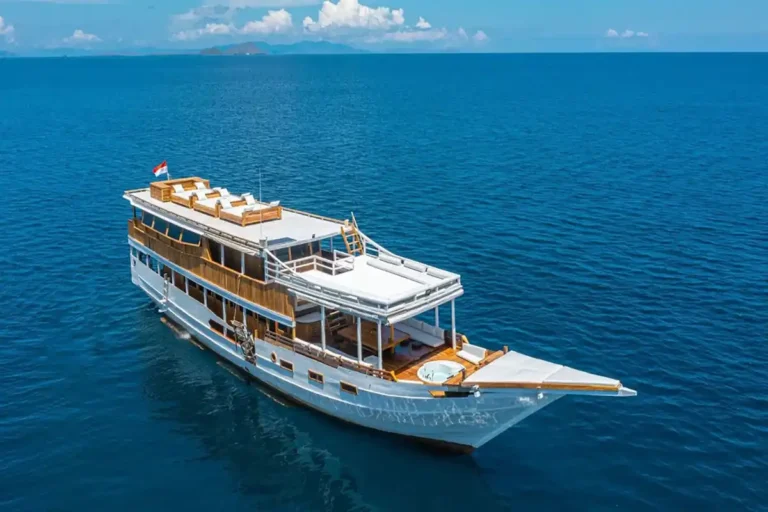
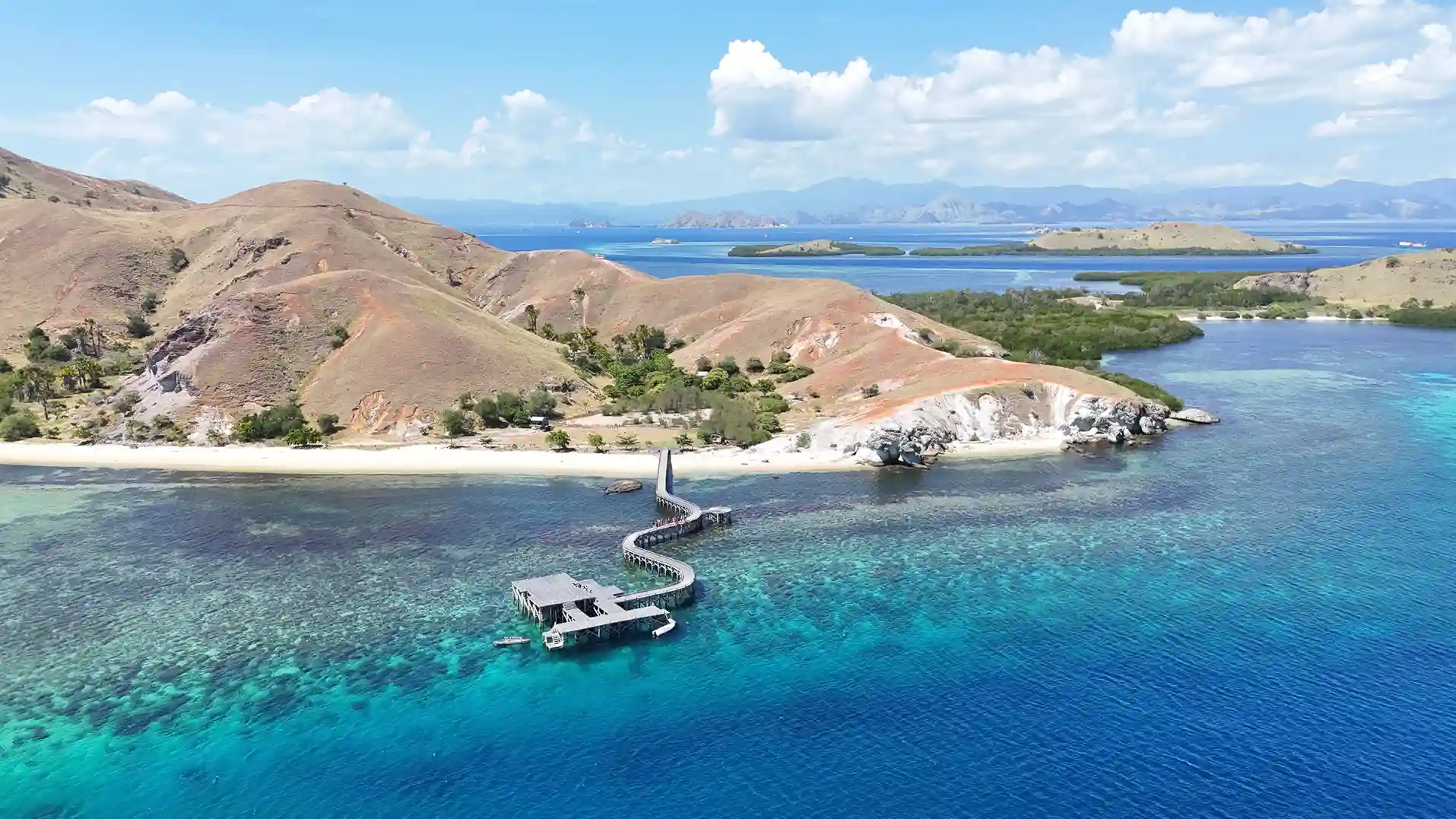
Contrarian but true: rainy season (December–March) is a genuinely good time for a Komodo trip — it’s peak manta season, Padar’s viewpoint is empty, hills turn emerald green, and prices dip 10–15%. The trade: short tropical downpours, reduced underwater visibility on some days, and a real (manageable) chance of route changes in January–February. Here’s the month-by-month truth from crews who sail it year-round.
What “Rainy” Actually Means Here
Komodo sits in one of Indonesia’s driest zones — this is savannah, not rainforest. Rainy season means 60–90 minute afternoon bursts and dramatic skies, not week-long washouts; mornings are very often clear and windless. The islands’ famous golden-brown hills turn green — a version of the park most visitors never see and photographers deliberately chase.
The Big Upside: Mantas and Empty Viewpoints
December–February is peak season at Manta Point — plankton-rich water pulls reef mantas to the cleaning stations in numbers the dry season rarely matches; our snorkel guides call January the best manta month of the year. Meanwhile Padar’s sunrise platform, shoulder-to-shoulder in August, hosts single-digit visitors. The dragon trek runs year-round — dragons don’t take wet season off.
The Real Risks, Not the Imagined Ones
- Harbor holds: January–February NW swells occasionally keep boats in port for a day. Operators reroute, reschedule or refund — ask any operator their policy before booking (ours is on the schedule page).
- Visibility: runoff can drop snorkel viz from 20+ m to 8–12 m on some sites, some days. Manta encounters, ironically, improve.
- South-park access: exposed southern sites close more often; the sheltered northern loop carries the itinerary.
- Seasickness odds rise: the mitigation stack is in our seasickness guide.
Month by Month
- December: season’s gentle start — green hills arriving, manta numbers building, festive-week crowds the only surge (book those dates early: timing guide).
- January: peak mantas, peak green, the year’s emptiest trails — and the highest reroute probability. Flexible travelers’ month.
- February: January’s twin, slightly moodier seas; couples get anchorages to themselves.
- March: the sleeper pick — rain tapering, seas settling, still green, still quiet. Arguably the best value-to-conditions ratio of the year.
Low-Season Pricing: What You Actually Save
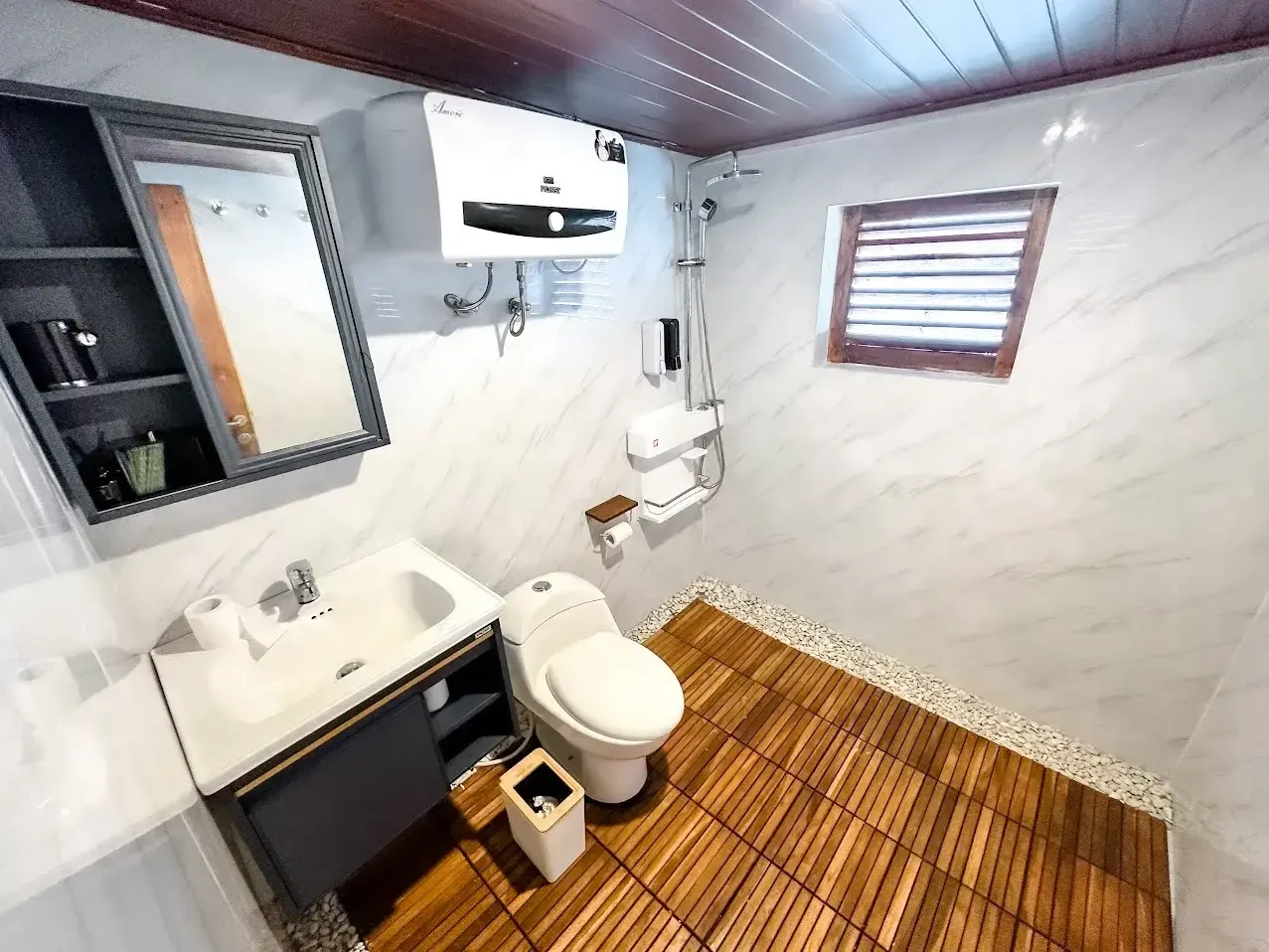
Boats run 10–15% under peak rates, gap-filling discounts appear days before departures, and the best cabins — gone six weeks early in August — sit open. Same boats, same crews, same dragons: current package rates. What’s “closed”: nothing official — the park operates year-round; only specific exposed sites go day-by-day.
How We Plan Rainy-Season Routes Differently
Northern-loop priority (Kelor–Rinca–Kalong–Padar–Pink Beach in sheltered sequence), morning-heavy schedules ahead of afternoon bursts, Manta Point positioned for the day’s best window, and a captain’s evening briefing that treats tomorrow’s forecast as the itinerary’s first author. Private charters get the extra freedom to chase whatever the weather gives: charter flexibility.
Verdict: Who Should Book It
Book rainy season if: mantas top your list, you allergize to crowds, you shoot photos, or your only window is Dec–Mar (it beats not going, decisively). Wait for April–June if: you get seasick easily, you’re spending big on a once-ever luxury charter, or the postcard golden-brown Padar is non-negotiable. Both answers are right — the full seasonal guide settles your specific case.
FAQ: Rainy Season Quick Answers
Is Komodo worth visiting in January?
Yes for mantas, greenery and solitude — with reroute flexibility built into your plans.
Do trips get cancelled often?
Full cancellations are uncommon; day-level reroutes happen. Weather holds convert to reschedules or refunds.
Is snorkeling still good?
Manta encounters peak; general reef viz dips some days. Net: different, not worse.