Are Komodo phinisi boats safe? With a licensed, maintained operator — yes. Modern phinisi carry life rafts, VHF radio, GPS and licensed captains, and serious incidents are rare relative to the thousands of trips sailed yearly. But “phinisi” covers everything from surveyed, insured vessels to uninspected wooden boats running on hope. This guide explains how the boats are built, what has actually gone wrong in these waters, and exactly what to check before you board anyone’s boat — including ours.
How Traditional Phinisi Are Built
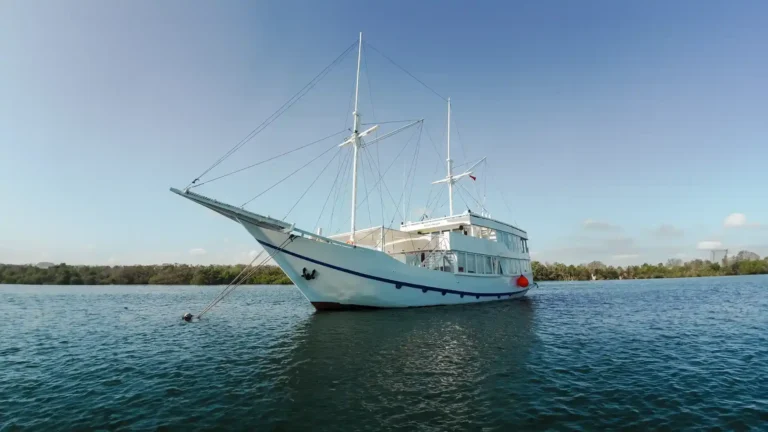
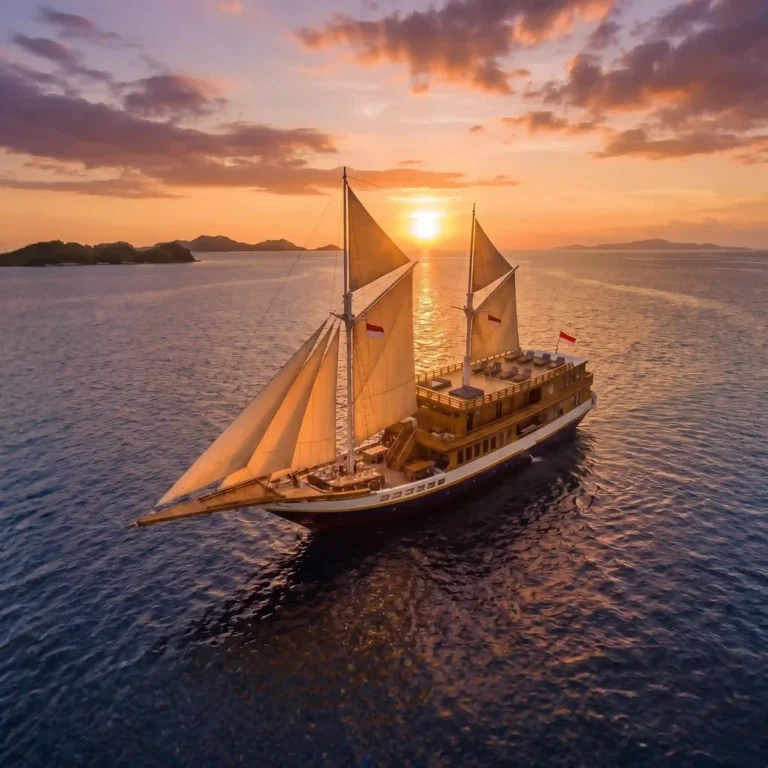
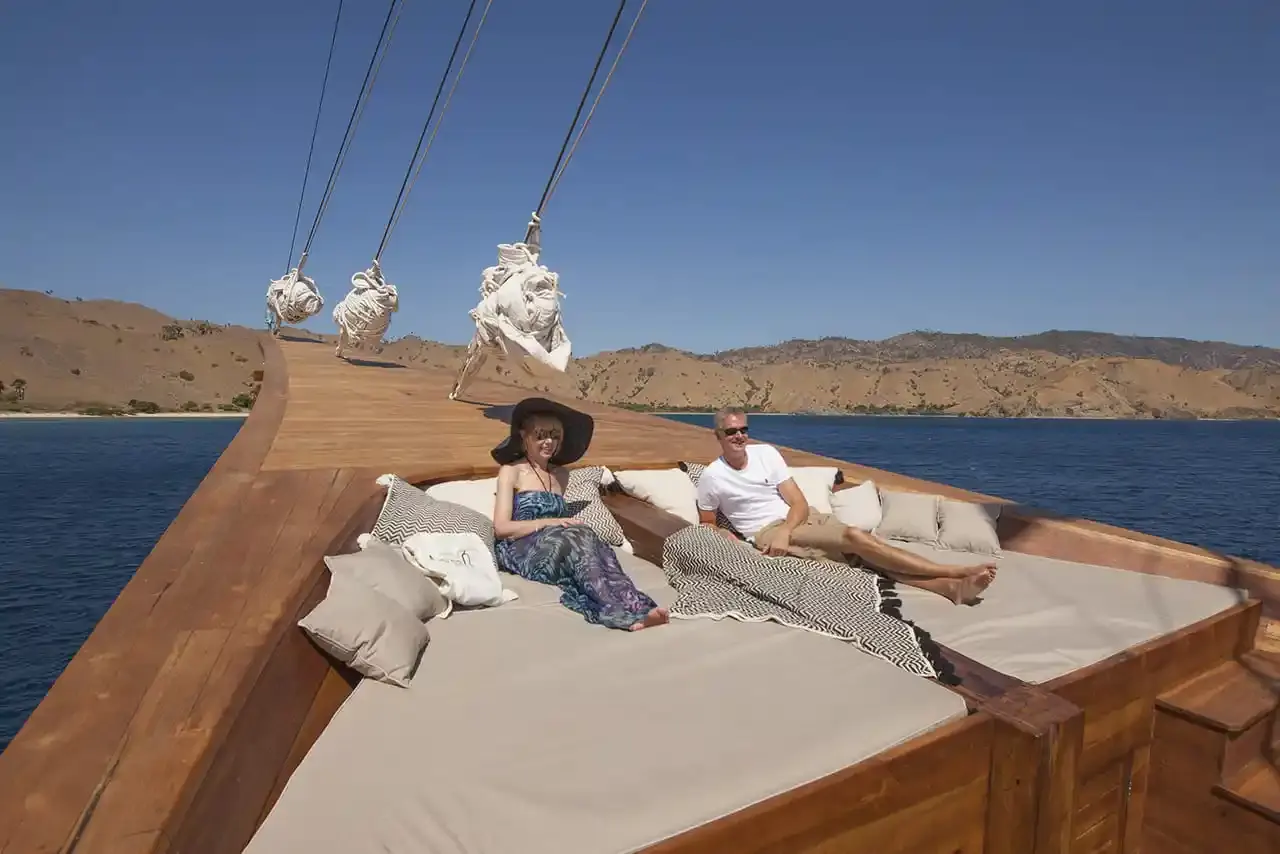
Phinisi are two-masted wooden ships from the boatbuilding villages of South Sulawesi — Bira, Tana Beru, Bulukumba — where shipwright families have worked ironwood and teak for generations. The hulls are hand-laid ironwood (ulin), among the densest, most rot-resistant timbers on Earth; superstructures are teak and mahogany. UNESCO listed the building tradition as intangible cultural heritage in 2017. A well-built, well-kept wooden hull is not a weakness — the fleet’s oldest working phinisi predate their steel-hulled critics. Age matters less than maintenance: annual haul-outs, re-caulking, engine overhauls and survey certificates are what separate a proud boat from a tired one.
Past Incidents in Komodo Waters — What Actually Went Wrong
Komodo has had boat incidents over the years — groundings, engine failures, and a handful of sinkings that made international news. Read the reports and a pattern emerges: the failures were operational, not architectural. Overloaded boats sailing in marginal weather, skipped maintenance, night crossings of exposed straits to save schedule, missing or expired safety gear. What you don’t find: properly surveyed vessels with licensed captains failing in normal conditions. The lesson isn’t “avoid wooden boats” — it’s “avoid operators who cut the four corners above.”
The Safety Equipment Checklist Every Boat Must Carry
- Life jackets for every guest (adult and child sizes) — visible, not padlocked away
- Life raft or auxiliary tender rated for full passenger count
- VHF marine radio + GPS chartplotter (phone apps don’t count)
- Fire extinguishers in galley and engine room
- First-aid kit and emergency oxygen
- Working navigation lights and bilge pumps
- Captain’s license (SKK/ANKAPIN) and vessel survey certificate — ask to see both
This is the floor across our entire fleet, from shared deluxe boats to luxury charters — detailed on our safety page.
How Komodo Trip Vets and Maintains Its Fleet
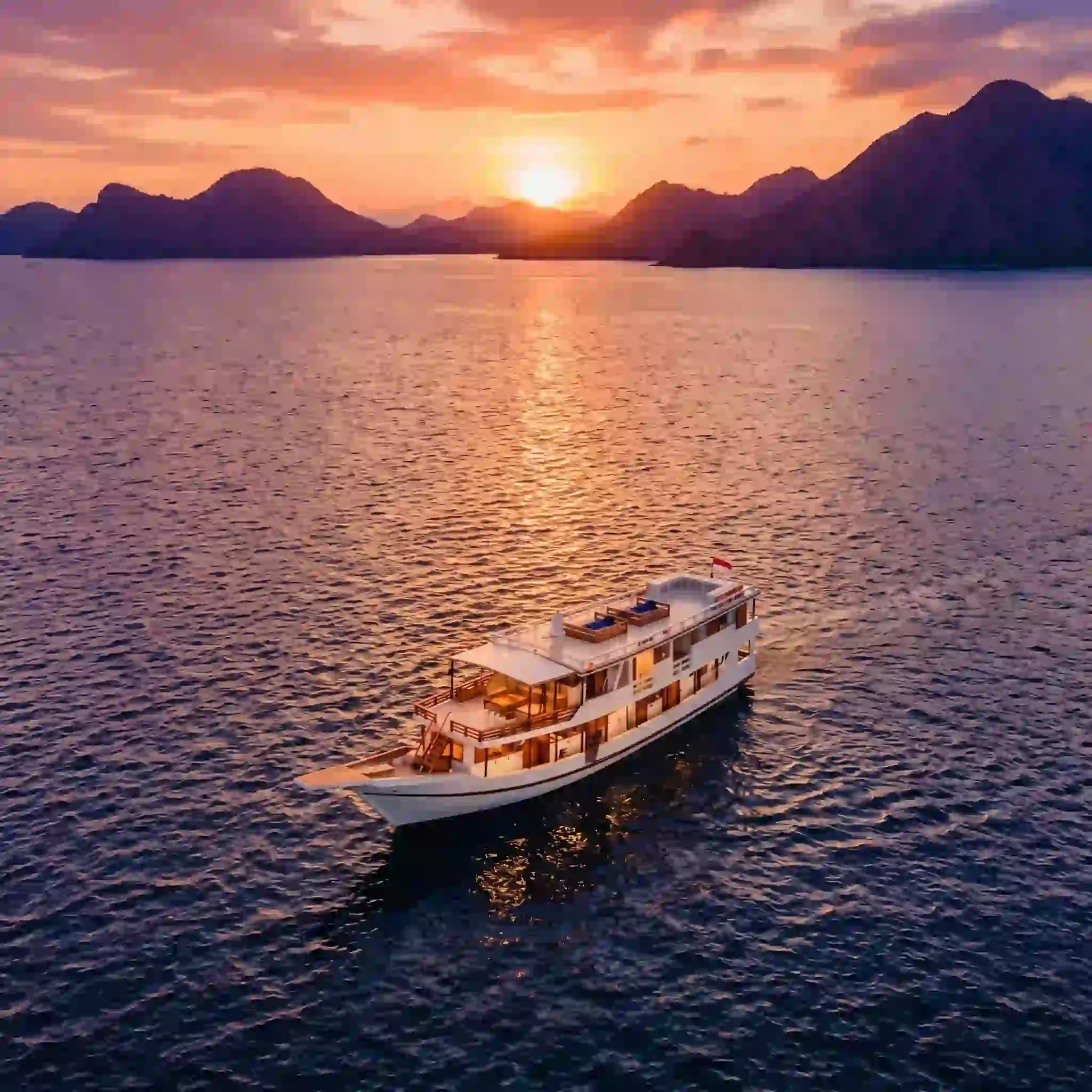
Komodo Trip is operated by Komodo Luxury, running these waters since 2015. Our boats live in Labuan Bajo — not chartered in sight-unseen for high season — and follow a maintenance calendar: engine service by hours, annual haul-out, safety-gear audit each season, and captain sign-off before every departure. Captains hold Indonesia Maritime Authority licenses and have veto power over weather calls; no office schedule overrides a captain’s no. That single policy is, in our view, the biggest safety feature any operator can offer. See the fleet and how we run it.
Weather, Crossings & Why Captains Change Routes
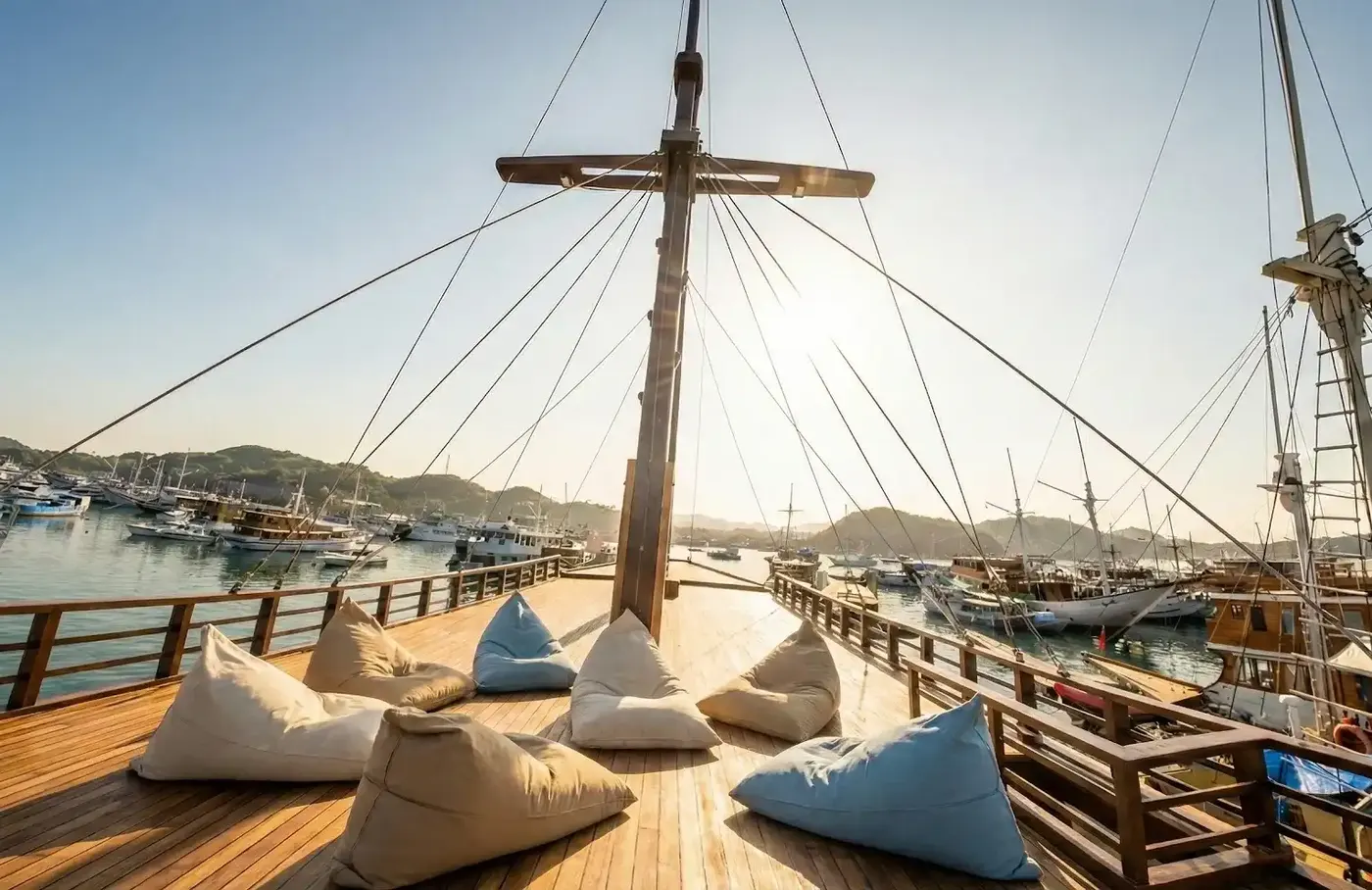
The park’s inner waters are sheltered; the exposed stretches are the Linta Strait’s current lines and the open crossing toward southern sites. December–February swells make some routes marginal — good captains swap to protected anchorages, or the harbor authority holds departures altogether. If your itinerary changed the night before: that’s the system working. The seasonal detail is in our sea-conditions guide.
Red Flags to Spot Before You Board Any Boat
- Price dramatically below market — maintenance is the first thing cheap boats skip (see Komodo tour scams)
- No photos of the actual vessel, or photos that don’t match the boat at the dock
- Life jackets absent, locked away, or visibly rotten
- No named captain, no license shown on request
- Departure pushed into bad weather because “the schedule says so”
- Passenger count above the boat’s certified capacity
Phinisi vs Speedboat vs Yacht: Safety Trade-offs
Speedboats cross fast and outrun weather windows but ride harder in chop. Phinisi are slow, stable and forgiving — their displacement hulls handle swell gracefully. Motor yachts add redundancy (twin engines, modern electronics) at a price. None is categorically “safer”; matched to route and season, all are sound. The full decision framework: how to choose a Komodo boat.
FAQ: Phinisi Safety Quick Answers
Are life jackets provided on Komodo boats?
On our boats, always — every guest, every departure, child sizes included. On any boat: ask before you pay, and ask to see them at boarding.
Is travel insurance worth it for a boat trip?
Yes. Choose a policy covering marine activities and trip interruption — weather holds are the most common claim scenario in Komodo.
Can kids sail on a phinisi?
Yes — families sail with us constantly. Kids wear life jackets on deck and on tenders; our family trips page covers boat setup for children.
How do I verify a boat before booking?
Ask for the vessel name, recent photos, captain’s license and survey certificate — then video-call the boat if in doubt. A legitimate operator answers all four in minutes.