
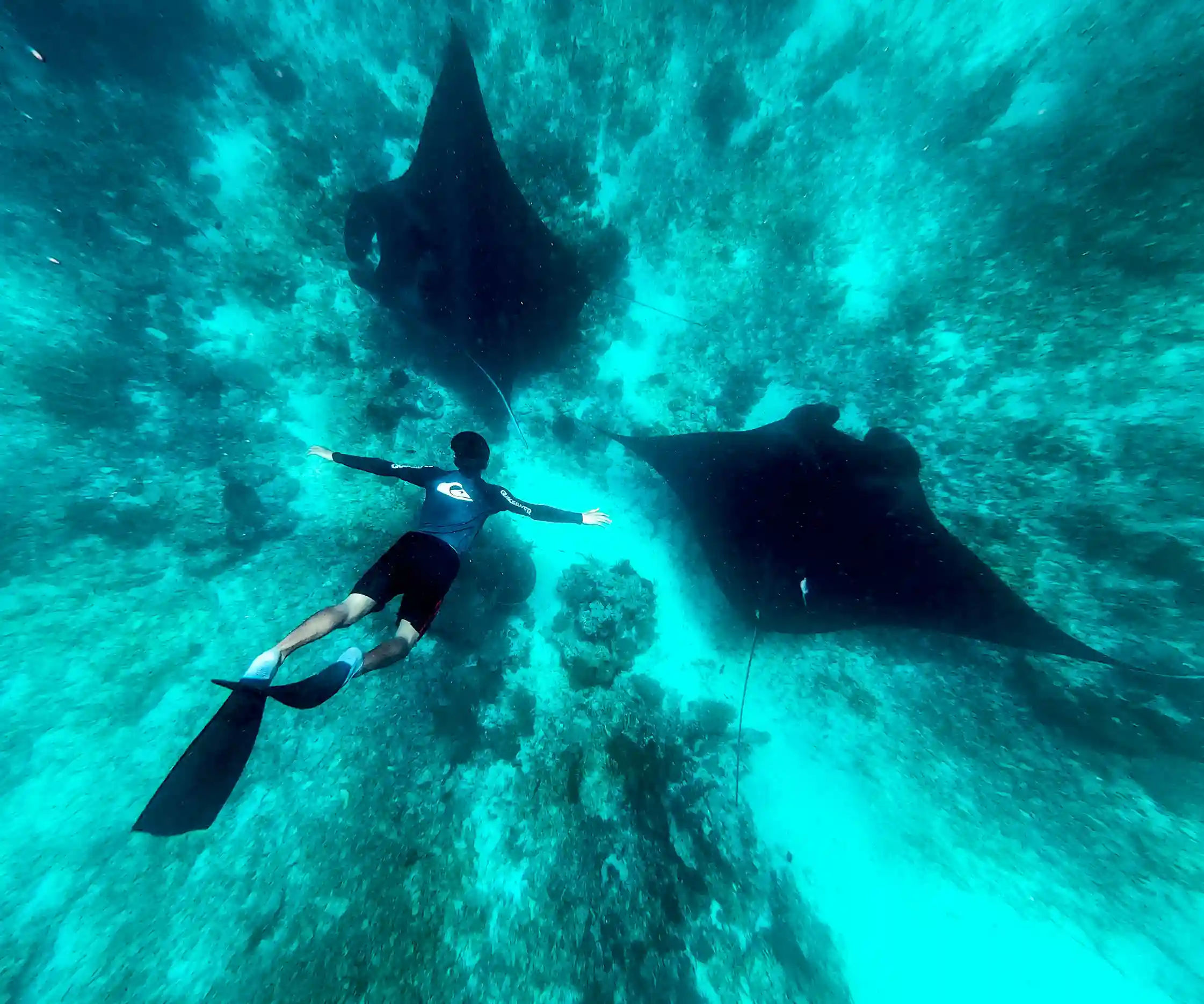
Manta Point — Swim With Wingspans of Seven Meters
Plankton-rich currents at Karang Makassar attract giant oceanic mantas year-round. From June to September, encountering 5–15+ rays in a single session is the norm.
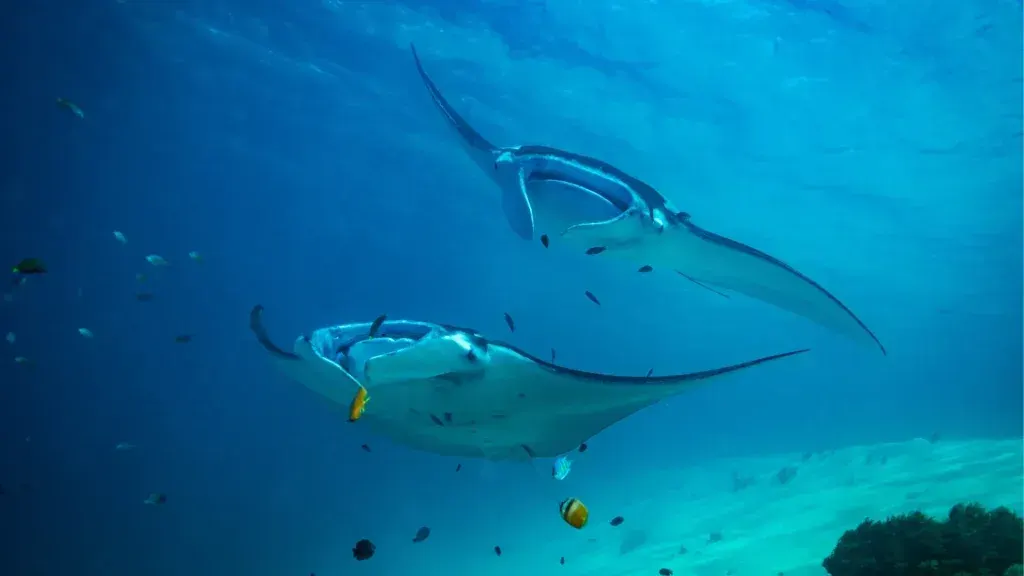
Cleaning Stations of the Giant Oceanic Manta
A World-Class Wildlife Encounter
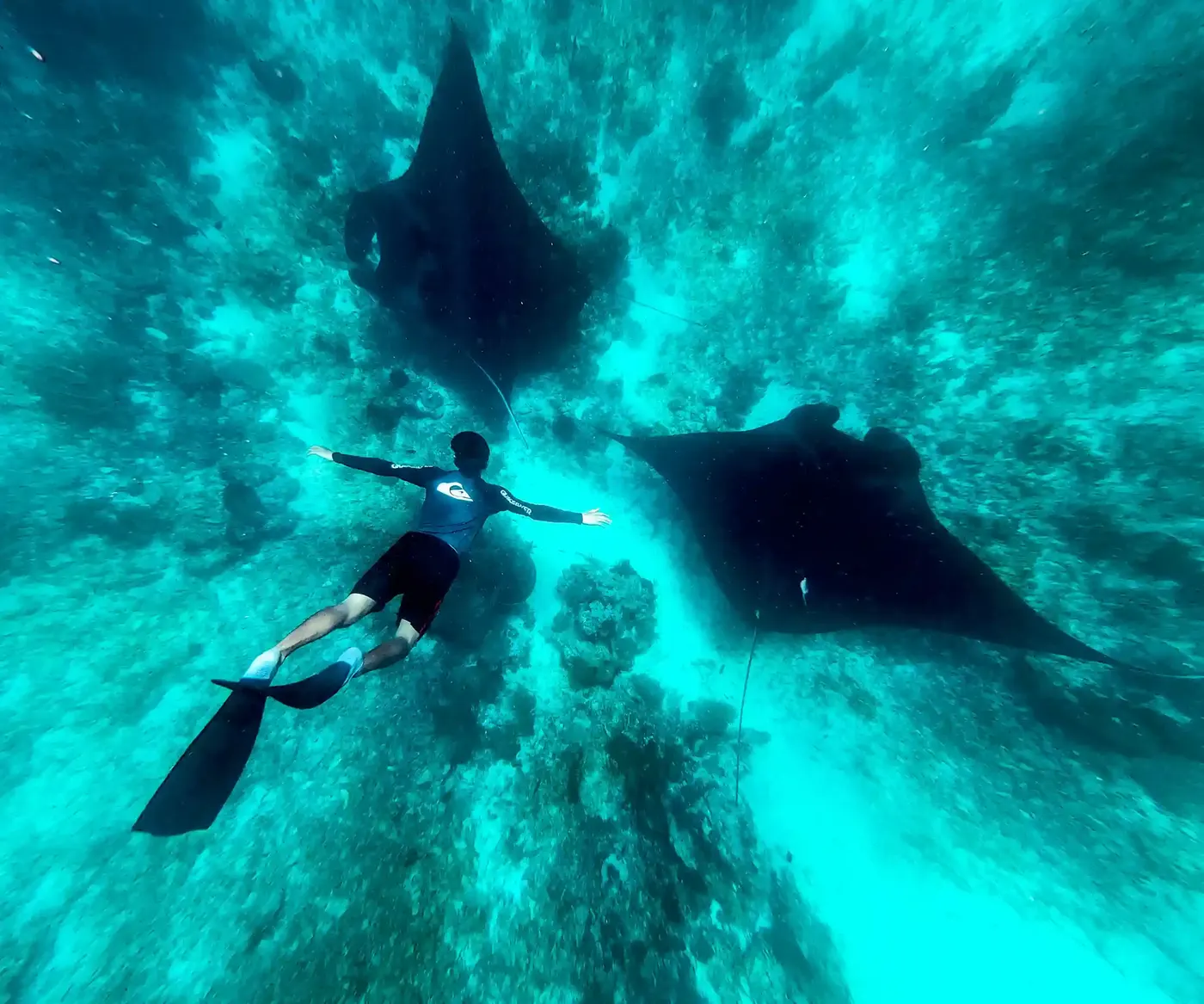
Snorkel, Dive, or Photograph
Manta Point at a Glance
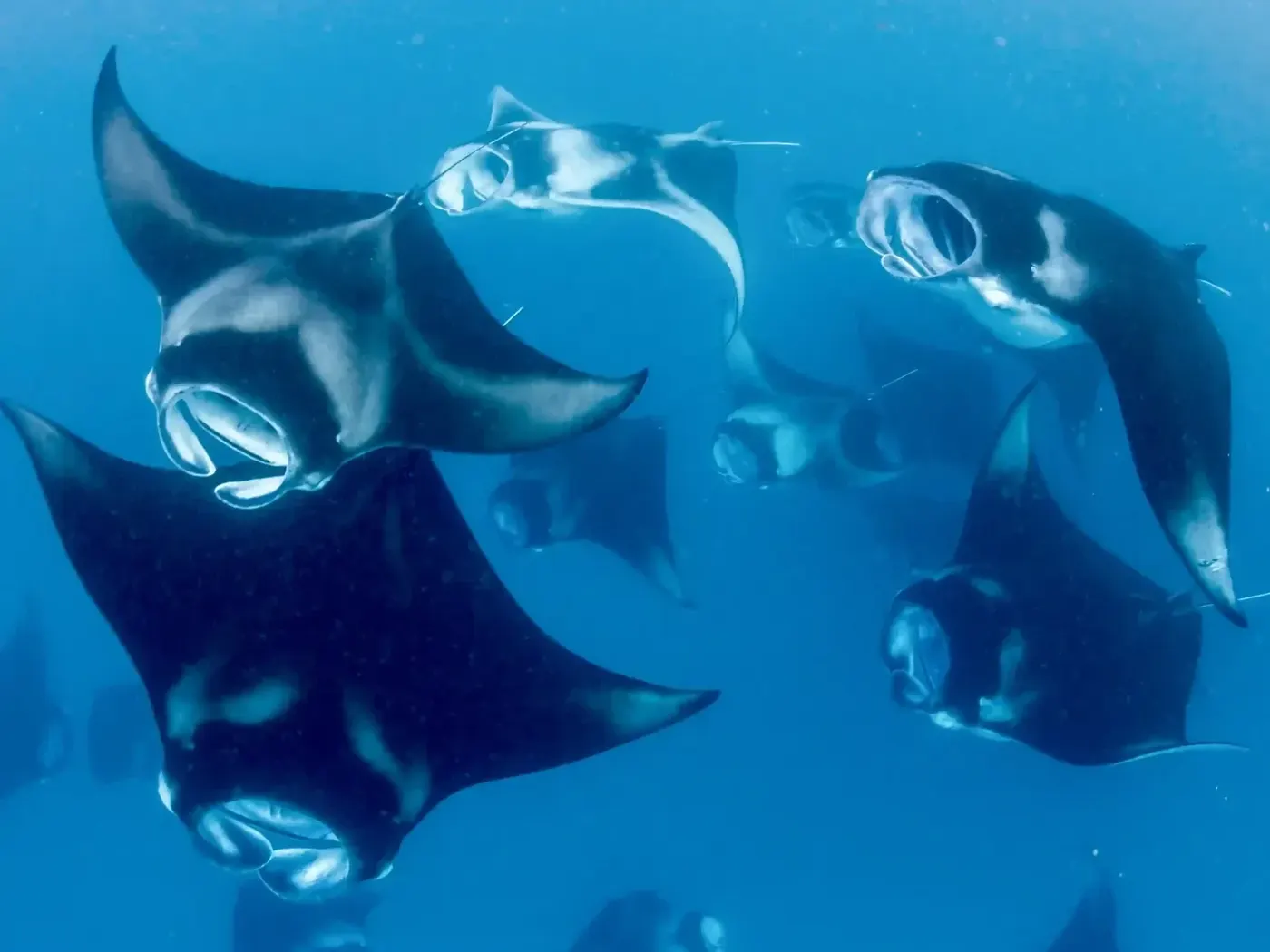
Meet the Giants of Karang Makassar
Every Komodo Trip multi-day cruise includes Manta Point. Speak to our team for the most current sighting reports.
Book via WhatsAppFrom Our Voyages
Fleet Log Data · Updated August 17, 2026
Quick answer: A Komodo trip to Manta Point needs no special add-on: every multi-day Komodo Trip cruise includes Manta Point (Karang Makassar) — on the standard 3D2N it falls on the final morning — and the honest season answer is that there are two peaks: June–September for clear-water cleaning-station encounters at 95%+ reliability, and December–March for plankton-season feeding groups. The month-by-month pattern below comes from our own crews’ sighting logs, not a brochure calendar.
Manta Season in Komodo by Month: What the Fleet Logs Show
Our boats cross Karang Makassar year-round. Aggregated by month, this is how crews brief guests for 2027 — likelihood first, water character second:
| Month | Encounter likelihood | Water & behavior |
|---|---|---|
| January | High | Plankton-rich, reduced visibility; surface feeding chains, larger groups |
| February | High | Feeding season continues; rain squalls between sessions |
| March | High | Transition begins; feeding groups thin, visibility improves |
| April | Moderate–high | Clearing water; cleaning stations resume regular traffic |
| May | Moderate–high | Dry season settles; reliable station passes |
| June | Very high | Cleaning-station peak opens; 95%+ encounter rates, best visibility |
| July | Very high | Peak continues; busiest boat traffic — early slots best |
| August | Very high | Peak continues; book trips 4–8 weeks ahead |
| September | Very high | Last full peak month; south sites also switch on |
| October | Moderate–high | Stations still active; calmest seas of the year |
| November | Moderate | Transition; scattered sightings, quiet anchorages |
| December | High | Plankton returns; feeding aggregations rebuild |
Reseller calendars compress this into “manta season: June–September.” The logs say something more useful: pick June–September for glassy visibility and near-certainty, December–March for the spectacle of feeding formations, and expect mantas in every month between.
How Manta Point Fits Your Itinerary
The Karang Makassar manta drift is the centerpiece of Labuan Bajo snorkeling itineraries. On the shared 3D2N it is the day-three closer, paired with Kanawa or the Taka Makassar sandbank while the light is still low and boat traffic thin. Crews often run it as a combo with Mawan — a second manta-frequented site minutes away — so an empty first pass rarely stays empty. Day trips add the drift when currents and sightings allow. Divers can pair the snorkel drift with proper cleaning-station dives via the Komodo dive-site guide, and dedicated surface itineraries are on the snorkeling trips page. Where it sits among the park’s stops overall: the ranked destinations list. For the site’s full natural history, see the Komodo Luxury Manta Point guide.
Manta Etiquette: the Rules Our Guides Enforce
Karang Makassar stays world-class because interactions are disciplined. On every Komodo Trip drift: keep three meters from the animals and never touch or chase; enter the water quietly, fins first, away from the aggregation; hold your position at cleaning stations and let the mantas set the distance; no flash photography; reef-safe sunscreen is mandatory; and the guide’s recall signal ends the session, no negotiation. Rays that are not harassed keep returning — which is the entire reason the encounter rate stays where it is.
Frequently Asked Questions
When is manta season at Manta Point Komodo?
There are two peaks, not one. June through September is cleaning-station season: clear dry-season water and encounter rates above 95% on a typical visit. December through March is feeding season, when plankton-rich water concentrates rays into larger groups at the cost of visibility. Mantas are present at Karang Makassar year-round; only the character of the encounter shifts.
Which Komodo trips visit Manta Point?
Every multi-day Komodo Trip cruise includes Manta Point — on the standard 3D2N it falls on the final morning, paired with Kanawa or Taka Makassar. Speedboat day trips include the drift when currents and sightings allow. If mantas are your priority, say so when booking and the desk will weight your itinerary toward Karang Makassar and Mawan.
Can non-swimmers see the mantas?
Yes. The rays feed within a few meters of the surface, so wingtips and wakes are clearly visible from the boat deck, and confident guests can hold the tender's line while floating with a life vest. Guides position the boat over the aggregation before anyone enters the water, so nobody has to swim far — or swim at all — to see them.
Is Manta Point better for snorkeling or diving?
Snorkelers get the classic encounter: mantas feeding at 3–8 meters, viewed from the surface on a drift. Certified divers kneel on the sandy bottom at 8–15 meters while rays circle the cleaning stations overhead. Neither is second-best — on a good day the same session delivers both, and every cruise carries snorkel gear as standard.
Are manta sightings guaranteed?
No honest operator guarantees wildlife. What the logbooks support: better than 95% encounter rates from June to September, strong feeding aggregations December to March, and mantas recorded in every month of the year. If the first pass at Karang Makassar is empty, crews check Mawan — and our guides share the fleet's live sighting reports before you sail.
How do I book a manta trip?
Message the Komodo Trip desk — operated under Komodo Luxury (PT Komodo Bahari Nusantara), part of Juara Holding Group — on WhatsApp at +62 811-3810-8110 or by email at [email protected] with your dates and whether you snorkel or dive. The desk confirms the best-matched departure and the current sighting pattern, with your full price in writing before any deposit.