Komodo’s most thrilling marine encounter: face-to-face with manta rays spanning up to 7 metres in wingspan.
Komodo Trip to Manta Point — Swim with Giant Manta Rays
Manta Point in Komodo National Park offers one of the world’s most reliable encounters with oceanic manta rays (Mobula birostris). Located in the channel between Komodo Island and the smaller islet of Karang Makassar, this cleaning station attracts mantas year-round — with peak congregations of 20-50 individuals between April and November. Snorkellers and divers float above the cleaning stations watching these gentle giants glide within arm’s reach.
THE EXPERIENCE
What to Expect at Manta Point
Manta Point is not a single location but a series of cleaning stations — specific reef formations where small cleaner wrasse fish remove parasites from visiting manta rays. The mantas circle these stations in predictable patterns, creating a natural viewing platform for snorkellers and divers.
Your Komodo Trip crew will position the boat upstream of the cleaning station and brief you on entry technique. You enter the water calmly, float on the surface or descend (for divers), and wait. Within minutes, manta rays begin their passes — often approaching within 2-3 metres. The experience of a 5-metre manta ray gliding silently beneath you, making eye contact, then banking away with effortless grace is consistently described by guests as the most profound wildlife encounter of their lives.
Encounter duration varies from 20 minutes to over an hour depending on manta activity. Our experienced guides read the conditions — water temperature, current direction, visibility — to determine the optimal entry point and timing. This local knowledge is the difference between a brief glimpse and an extended, intimate encounter.
MANTA FACTS
Understanding Komodo’s Manta Rays
Species
Komodo hosts both oceanic manta rays (Mobula birostris, up to 7m wingspan) and reef manta rays (Mobula alfredi, up to 5m). Oceanic mantas are the larger species and less commonly encountered globally — Komodo is one of the few places where sightings are reliable.
Why Komodo?
The nutrient-rich upwelling currents that flow through Komodo’s channels create abundant plankton — the mantas’ primary food source. This reliable food supply, combined with established cleaning stations and protected park waters, makes Komodo one of the top three manta destinations on Earth alongside the Maldives and Ecuador’s Isla de la Plata.
Behaviour
Mantas are highly intelligent animals with the largest brain-to-body ratio of any fish. They are curious about divers and snorkellers, often making repeated passes over groups. Each manta has a unique belly pattern — like a fingerprint — used by researchers for individual identification. Our guides can often recognise returning individuals by name.
Conservation
Manta rays are classified as Vulnerable by the IUCN. Komodo National Park’s protected status is critical for their survival. Indonesia declared all manta rays protected in 2014, making the country the world’s largest manta ray sanctuary. Komodo Trip follows strict manta interaction codes: no touching, no chasing, no flash photography, and maintaining respectful distances.
PRACTICAL INFO
Planning Your Manta Point Visit
Season: Mantas are present year-round, but peak season is April-November when nutrient-rich southern currents bring abundant plankton. Encounter rates exceed 90% during peak months. December-March encounters are less predictable but still possible.
Conditions: Water temperature at Manta Point ranges from 22-27°C — cooler than other Komodo sites due to upwelling. A 3mm wetsuit is recommended. Visibility averages 10-15 metres but can exceed 20m on good days. Currents can be moderate to strong; our guides assess conditions before every entry.
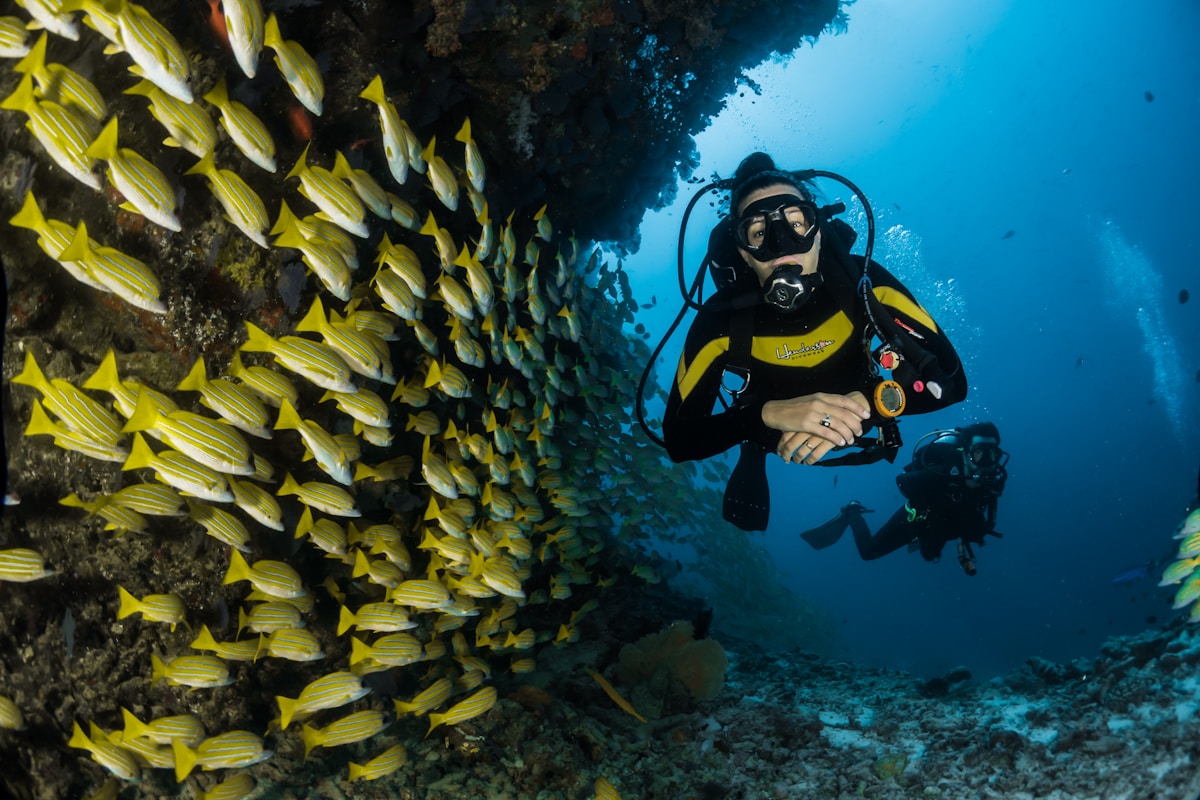
For snorkellers: Manta Point is absolutely accessible to snorkellers. Mantas regularly feed and clean within 2-5 metres of the surface. You don’t need to dive to have an incredible encounter. Our guides position snorkellers over the cleaning stations for optimal viewing.
For divers: Diving allows longer encounters and the experience of watching mantas from below as they glide overhead. Recommended certification: Open Water or above. Advanced certification preferred for stronger current days. Dive depth typically 8-15 metres.
Will I definitely see manta rays at Manta Point?
During peak season (April-November), encounter rates exceed 90%. Our experienced guides time visits based on tidal conditions and recent sightings to maximise your chances. Sightings can never be 100% guaranteed as these are wild animals, but Komodo offers some of the most reliable manta encounters anywhere on Earth.
Can non-swimmers experience Manta Point?
Non-swimmers can observe from the boat, which often anchors close enough to see mantas from above in clear conditions. For water entry, basic swimming ability and comfort in open water is required. Our crew provides flotation devices for less confident swimmers.
Is it safe to swim with manta rays?
Yes. Manta rays are gentle filter feeders with no stinger or teeth. They pose zero threat to humans. The main safety consideration is water conditions (currents and temperature), which our crew assesses before every entry. Follow guide instructions and you will be perfectly safe.
How close can I get to the mantas?
Mantas often approach within 1-3 metres of their own accord — they are curious animals. However, you should never chase, touch, or block a manta’s path. Stay still, let them come to you, and the encounters will be longer and more intimate.
Explore More Komodo Adventures
Swim With Mantas on Your Komodo Trip
Manta Point is included in all our multi-day itineraries. Book your voyage and prepare for the encounter of a lifetime.