Komodo Trip National Park Guide — Everything to Know

Komodo National Park: Complete Guide to UNESCO Heritage Site

Discover regulations, conservation efforts, and entry procedures for Indonesia’s premier protected area

Plan Your Park VisitExplore Park Tours

Quick Answer: Park Essentials

Komodo National Park protects endemic Komodo dragons and pristine ecosystems across three main islands. UNESCO World Heritage site status reflects global conservation significance. Daily entry fees apply, guides are mandatory on all island treks, and strict regulations preserve this unique environment for future generations.

UNESCO World Heritage Status and Global Significance

Komodo National Park received UNESCO World Heritage designation in 1991, recognizing its exceptional universal value and unique ecosystems. This designation acknowledges the park’s irreplaceable biological and cultural significance, placing it among the world’s most important protected areas. The UNESCO status reflects Indonesia’s commitment to preserving this extraordinary natural laboratory where evolutionary processes create endemic species found nowhere else on Earth.

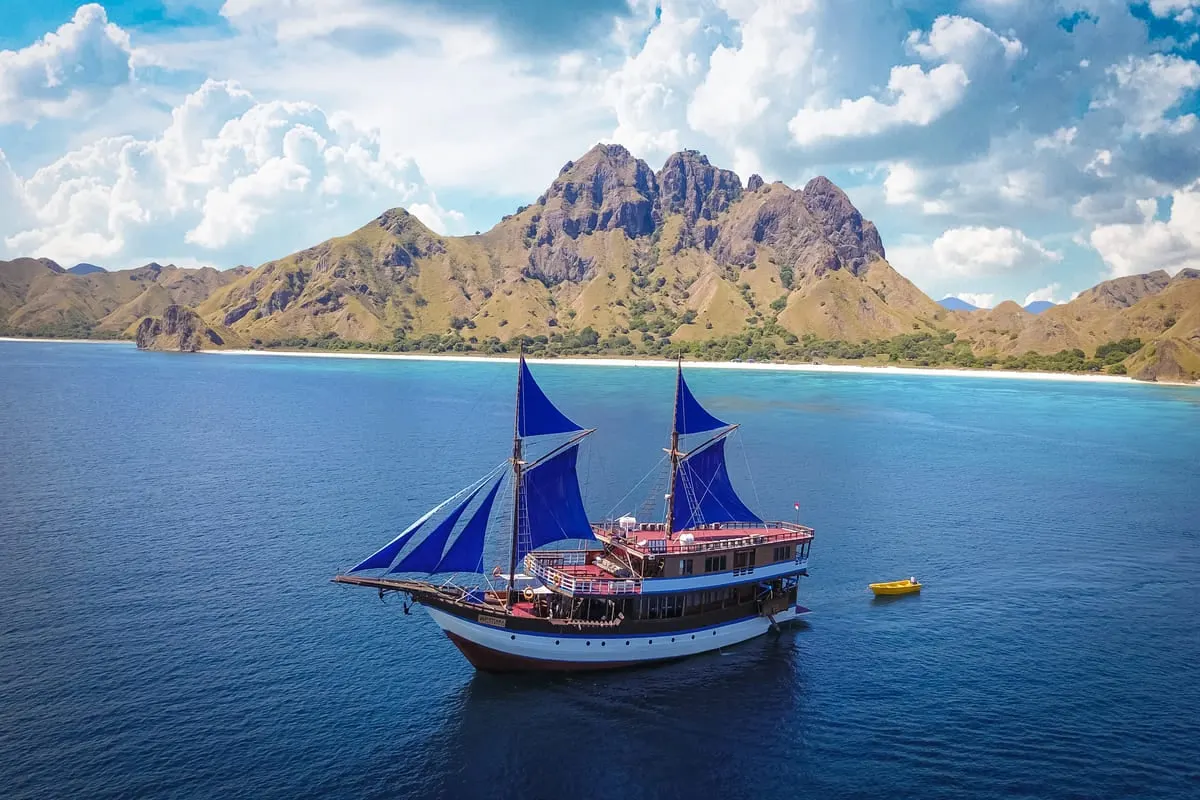
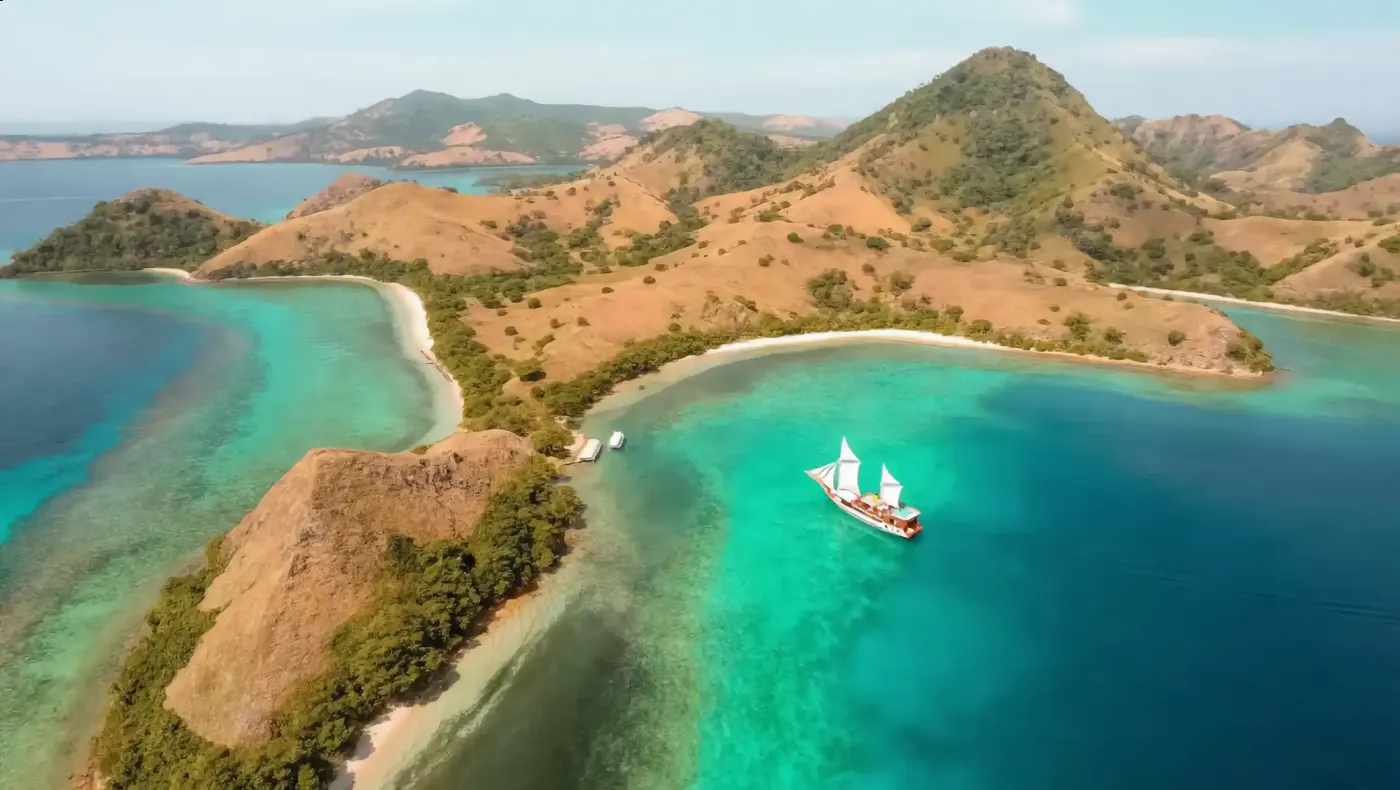
The park encompasses approximately 1,733 square kilometers of marine and terrestrial ecosystems spanning three main islands—Komodo, Rinca, and Flores—plus numerous smaller islands. This vast protected area preserves complete habitat corridors essential for wildlife sustainability. Marine zones protect pristine coral reefs, seamounts, and the unique ocean currents supporting exceptional biodiversity.

Global significance extends beyond dragons to encompassing an entire ecosystem of exceptional scientific interest. The park represents a living laboratory of evolution where isolated populations developed unique adaptations. International research institutions continue studying Komodo’s wildlife, contributing invaluable knowledge to conservation science and ecosystem understanding.

Park Regulations and Visitor Requirements

All visitors must register upon arrival and purchase daily park entrance permits. Current fees are approximately $10 USD for foreign adults, with discounted rates for students and children. Permits are valid for a single calendar day and specific park zones. Permit holders must remain within designated areas and follow all posted regulations.

Licensed park guides are mandatory for all island trekking and wildlife viewing activities. Guides ensure visitor safety, enforce regulations, and provide expert interpretation of ecosystems and wildlife. All guides complete formal training in wildlife biology, safety protocols, and environmental stewardship. Visitors may not trek independently under any circumstances.

Strict behavior protocols apply throughout the park. Feeding animals, removing plants or marine organisms, and loud disturbances are prohibited. Anchoring and water activities require compliance with specific zone designations. Trash must be completely removed from park areas. Violations result in fines and potential removal from the park. Respectful behavior preserves the park for everyone.

Entry Procedures and Access Information

Visitors access the park through Labuan Bajo on Flores Island, where the official park headquarters manages visitor registration. Most visitors enter via organized tours that handle entry procedures, permits, and guide arrangements. Independent visitors must navigate registration and hire registered guides directly through park-authorized booking centers.

The park operates year-round, though access varies seasonally based on sea conditions. Rough seas during wet season (January-March) may restrict access to certain zones or necessitate itinerary changes. Advance booking through authorized tour operators ensures smooth entry and optimized experiences. Park capacity limits during peak season mean early reservations are essential.

Entry times are typically 6:00 AM through 6:00 PM with varying zone-specific restrictions. Night activities are generally prohibited to minimize wildlife disturbance. Current regulations, seasonal closures, and updated procedures should be confirmed directly with the park headquarters or authorized tour operators before arrival.

Conservation Initiatives and Environmental Management

The Indonesian government and international conservation organizations collaborate on comprehensive park management programs. These initiatives focus on species protection, habitat restoration, invasive species control, and sustainable tourism development. Research programs monitor population health, genetic diversity, and ecosystem changes, informing adaptive management strategies.

Marine conservation efforts include coral reef protection, fishing regulation enforcement, and marine debris removal. Park boundaries encompass critical marine habitat supporting seahorses, manta rays, and diverse fish species. Sustainable tourism development balances visitor access with ecosystem protection, limiting impacts while generating revenue supporting conservation work.

Community involvement is essential to conservation success. Local communities historically depended on park resources, requiring collaborative management approaches respecting cultural traditions while enforcing environmental protection. Tourism revenue supports local development, incentivizing conservation participation and creating sustainable livelihoods aligned with park protection.

Komodo Dragon Population and Research

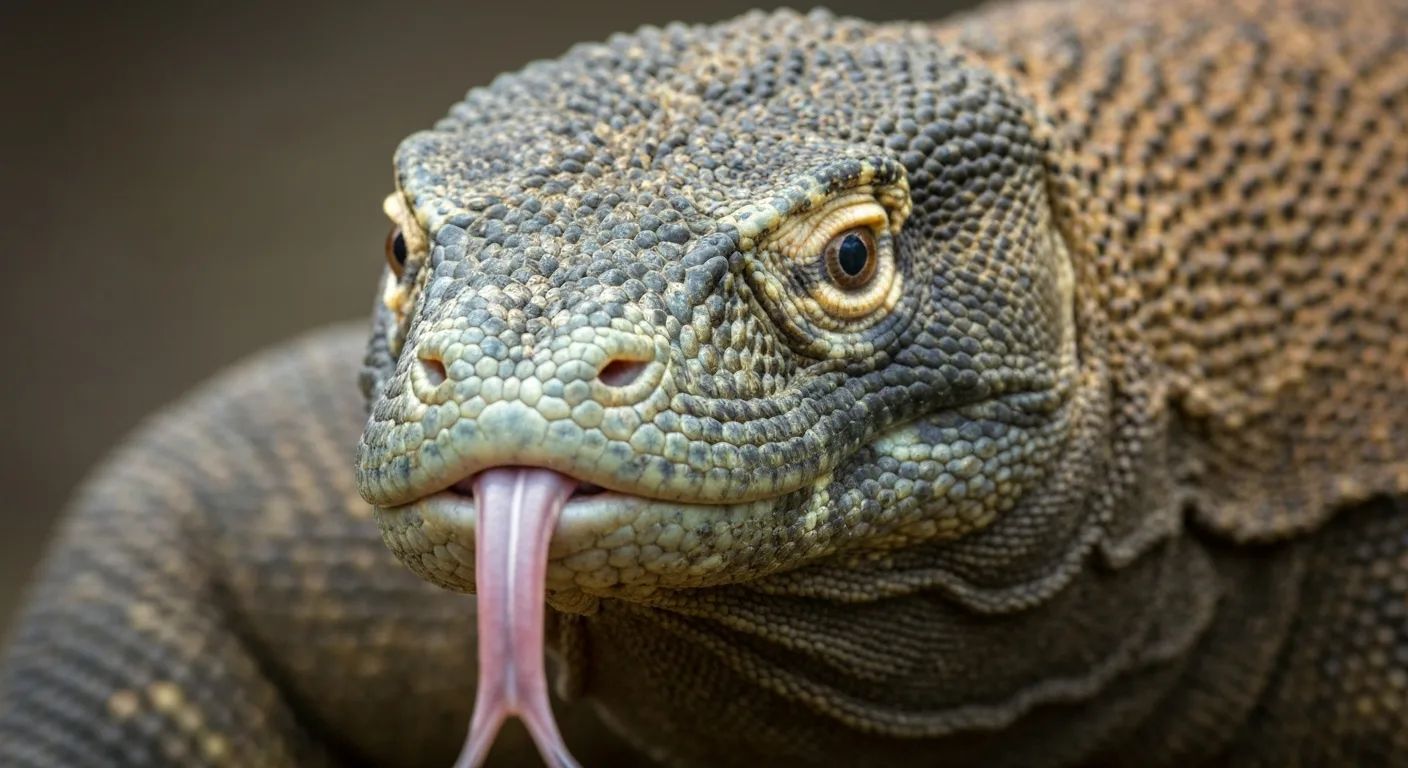
Current population estimates suggest approximately 3,000-5,000 Komodo dragons inhabit the park, making the protected area their exclusive natural habitat. Population monitoring programs utilize tracking, habitat surveys, and behavioral observations to understand dynamics and assess conservation status. Research demonstrates remarkable adaptation to isolated island environments creating unique evolutionary characteristics.

International scientific collaboration has advanced understanding of dragon biology, genetics, reproductive behavior, and ecosystem role. Captive breeding programs in select facilities supplement wild population management. Genetic analysis reveals population structure and inbreeding concerns, guiding management decisions to maximize long-term species viability.

The park serves as a global dragon conservation model, informing species protection strategies elsewhere. Ongoing research continues generating insights benefiting not only Komodo dragons but broader understanding of large predator ecology and island ecosystem dynamics applicable to conservation worldwide.

Zones and Activity Designations

The park is divided into specific zones with designated permitted activities. Core protection zones restrict visitor access to minimize disturbance during critical breeding or feeding periods. Tourism zones allow structured trekking, diving, and snorkeling under regulated conditions. Marine zones permit diving, snorkeling, and boating with specific restrictions protecting sensitive habitats.

Komodo Island permits dragon trekking and village visits through established trails. Rinca Island offers similar activities with distinct ecosystem characteristics. Pink Beach and other locations focus on snorkeling and swimming in pristine marine environments. Understanding zone designations ensures compliance and guides visitors to appropriate areas for desired activities.

Tour operators familiar with current zone regulations ensure compliance and optimize experiences. Regular regulation updates reflect evolving conservation priorities, making advance communication with authorities essential for accurate planning.

How much is the park entrance fee?

Daily entrance fees are approximately $10 USD for foreign adults. Student and child discounts apply. Indonesian residents pay significantly less. Fees support park operations and conservation initiatives.

Are guides mandatory for all activities?

Yes, licensed park guides are mandatory for all island trekking and wildlife viewing. Guides ensure safety and enforce regulations. Cost varies but is reasonable compared to overall trip expenses.

What is the dragon population status?

Approximately 3,000-5,000 dragons inhabit the park. The population is stable with active management and research monitoring dynamics and genetic health. Conservation efforts maintain long-term viability.

Can visitors visit independently or must tours be arranged?

Independent visits are possible but require navigating registration, permit purchase, and guide hiring. Organized tours simplify logistics, handle all requirements, and provide expert guidance—recommended for most visitors.

How does the park protect the environment from tourism impacts?

Strict regulations limit visitor impacts through designated zones, mandatory guides, behavior protocols, and capacity restrictions. Conservation initiatives address invasive species, habitat restoration, and sustainable development. Community involvement strengthens protection efforts.

Experience Komodo’s Protected Treasures Responsibly

Visit this UNESCO World Heritage site with respect for its conservation mission. Your visit directly supports protection of these irreplaceable ecosystems and endangered species.

Book Your Park Visit   Learn More About Conservation

Plan Your Komodo Trip Today

Talk to our specialists for tailored itineraries and instant quotes.

Book via WhatsApp