An honest comparison of Indonesia’s two greatest marine destinations — landscapes, diving, logistics, budget, and the experience each delivers.
Komodo Trip vs Raja Ampat — Which Indonesian Paradise Should You Visit in 2026?
Komodo National Park offers dramatic volcanic landscapes, Komodo dragon encounters, world-class manta diving, and easier access from Bali in just one hour. Raja Ampat boasts the planet’s highest marine biodiversity, pristine coral reefs, and remote wilderness — but requires longer travel and higher budgets. Your ideal choice depends on whether you prioritise adventure variety or pure underwater immersion.
OVERVIEW
Two Jewels of the Indonesian Archipelago
Indonesia is blessed with two marine destinations that regularly top global bucket lists: Komodo National Park in the Lesser Sunda Islands and Raja Ampat off the northwest tip of Papua. Both promise extraordinary underwater encounters, but they deliver fundamentally different experiences. Komodo combines rugged volcanic landscapes, the world’s last wild dragons, pink sand beaches, and adrenaline-pumping drift dives with manta rays — all accessible within a short flight from Bali. Raja Ampat offers unmatched coral biodiversity, crystal-clear lagoons, and a sense of true frontier exploration — but demands more travel time and a higher budget.
This guide compares both destinations across every dimension that matters: marine life, topside activities, accessibility, accommodation, budget, and overall vibe — so you can decide which Indonesian paradise matches your travel style, timeline, and dreams.
Why This Comparison Matters in 2025
With Indonesia investing heavily in marine tourism infrastructure, both destinations are evolving rapidly. Komodo introduced its 1,000-visitor daily limit and premium pricing model in 2023, while Raja Ampat continues to develop homestay networks and marine conservation programmes. Understanding the current state of each destination helps travellers make informed choices rather than relying on outdated advice.
MARINE LIFE

Underwater Worlds Compared
Both Komodo and Raja Ampat rank among the world’s top dive destinations, yet they appeal to different underwater passions.
Komodo’s Marine Highlights
Komodo National Park sits within the Coral Triangle and offers over 50 mapped dive sites. The star attractions are oceanic manta rays at Manta Point and Cauldron, where encounters are virtually guaranteed between April and November. Current-swept channels like Batu Bolong and Crystal Rock deliver thrilling drift dives past walls of anthias, fusiliers, giant trevally, and reef sharks. Macro enthusiasts find pygmy seahorses, blue-ringed octopus, and nudibranchs at sites like Tatawa Besar. Water temperatures range from 22°C in the south to 29°C in the north, creating a unique thermal gradient that supports diverse ecosystems within a compact area.
Raja Ampat’s Marine Highlights
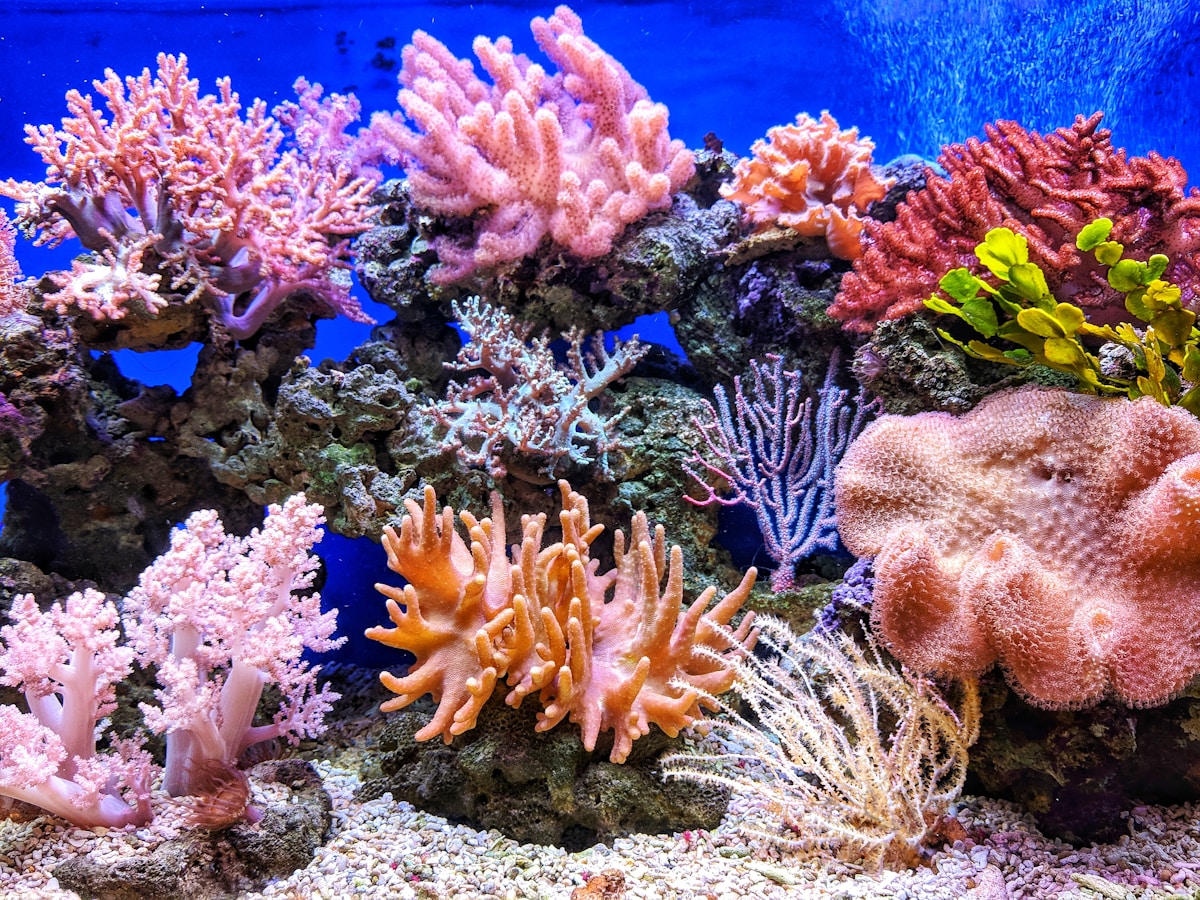
Raja Ampat holds the world record for marine biodiversity: over 1,700 fish species and 600 coral species have been recorded in its waters. Diving here feels like swimming through a living encyclopedia. Signature sites like Cape Kri, Blue Magic, and Manta Sandy deliver extraordinary reef coverage — some surveys have counted 374 fish species on a single dive. Raja Ampat’s mantas are predominantly reef mantas, and encounters are seasonal (November–April). The region also offers unique experiences like snorkelling in hidden lagoons, kayaking over jellyfish lakes, and walking trails through ancient karst formations.
Verdict: Marine Life
If manta rays and adrenaline drift dives are your priority, Komodo delivers more consistently. If maximum species diversity and pristine reef coverage are your measure, Raja Ampat is unrivalled. Both destinations sit firmly in the global top ten for underwater experiences.
ACCESSIBILITY
Getting There: Logistics Compared
Accessibility is one of the biggest practical differences between these two destinations, and it often determines which trip is feasible for time-limited travellers.
Getting to Komodo
Komodo National Park is accessed through Labuan Bajo (Komodo Airport / LBJ), which receives multiple daily flights from Bali (1 hour), Jakarta (2.5 hours), and Surabaya. From Labuan Bajo, boats reach Komodo Island in 2-3 hours. The town itself offers a growing range of hotels, restaurants, and tour operators. This accessibility makes Komodo ideal for short trips of 2-5 days and easy to combine with Bali or Flores itineraries.
Getting to Raja Ampat
Raja Ampat requires flying to Sorong in West Papua — typically via Jakarta or Makassar (3-4 hours total). From Sorong, a 2-hour fast ferry reaches Waisai, the main town. From Waisai, boats to dive resorts or homestays take another 1-3 hours. Total door-to-door travel from Bali is typically 8-12 hours across multiple connections. This remoteness is part of Raja Ampat’s charm, but it demands a minimum trip length of 5-7 days to justify the journey.
Verdict: Accessibility
Komodo wins decisively on accessibility. You can fly from Bali in the morning and be snorkelling with mantas by afternoon. Raja Ampat requires dedicated planning and longer travel time — rewarding for those who commit, but impractical for short breaks.
BUDGET
Cost Comparison: What to Expect
Budget is another area where these destinations diverge significantly, driven by infrastructure differences and remoteness.
Komodo Trip Costs
Budget sailing trips start from IDR 2.5 million (approximately USD 160) per person for shared 3-day/2-night tours. Mid-range private charters run USD 500-1,500 per day depending on boat class. Luxury liveaboard experiences with Komodo Trip by Juara Holding Group start from USD 2,000-5,000+ per person for 3-4 day itineraries on premium phinisi vessels. Day trips from Labuan Bajo start at USD 50-80. National Park entrance fees are IDR 150,000 for domestic visitors and IDR 700,000 for international visitors (2025 rates).
Raja Ampat Trip Costs
Raja Ampat’s Marine Conservation Fee alone is IDR 1,000,000 (approximately USD 65) for international visitors, valid for one year. Budget homestays cost USD 40-80 per night including meals and basic snorkelling. Mid-range dive resorts run USD 150-400 per night. Luxury liveaboards operating in Raja Ampat typically charge USD 400-800 per person per night — with 7-10 night itineraries being standard. Add domestic flights (USD 200-400 round trip) and the total budget is typically 1.5-2x higher than a comparable Komodo trip.
Verdict: Budget
Komodo offers more options across every budget level and delivers excellent value per day. Raja Ampat requires higher minimum investment but rewards with unparalleled exclusivity. For budget-conscious travellers, Komodo is the clear winner.
ACTIVITIES
Beyond Diving: Topside Experiences
While both destinations are primarily marine-focused, what you do above water differs considerably.
Komodo Topside Activities
Komodo National Park offers a remarkable range of land-based experiences that complement your time underwater. Komodo dragon trekking on Komodo and Rinca Islands is a once-in-a-lifetime wildlife encounter — seeing the world’s largest lizard in its natural habitat. Padar Island’s famous viewpoint hike delivers one of Indonesia’s most photographed panoramas: three bays of different coloured water meeting volcanic ridgelines. Pink Beach offers rare pink sand from red coral fragments. Sunset sailing, kayaking in hidden bays, stargazing from the deck of a phinisi, and exploring Labuan Bajo’s growing restaurant scene round out the experience.
Raja Ampat Topside Activities
Raja Ampat’s topside offerings are more nature-focused and contemplative. Kayaking through karst lagoons, birdwatching for the endemic Wilson’s Bird of Paradise, exploring hidden beaches, and visiting traditional Papuan villages provide cultural depth. The landscape is dramatic — towering limestone mushroom islands rising from turquoise water create an otherworldly atmosphere. However, organised topside activities are limited compared to Komodo, and entertainment infrastructure is minimal.
Verdict: Topside Activities
Komodo offers significantly more variety above water — from dragon encounters to volcanic hikes to vibrant town life. Raja Ampat delivers raw natural beauty and solitude. For travellers who want a balanced land-and-sea adventure, Komodo is the stronger choice.
WHO SHOULD CHOOSE WHICH
Making Your Decision
Choose Komodo If You…
Want a complete adventure experience combining world-class diving, wildlife encounters, volcanic landscapes, and accessible luxury — all within a short flight from Bali. Komodo is perfect for first-time Indonesia visitors, honeymoon couples seeking adventure and romance, families with older children, photography enthusiasts who want diverse subjects, and anyone with 2-5 days available. The Komodo Trip luxury liveaboard experience by Juara Holding Group delivers all of this with premium comfort, expert crews, and curated itineraries.
Choose Raja Ampat If You…
Are a dedicated diver or marine biologist seeking maximum underwater biodiversity in a remote, uncrowded setting. Raja Ampat suits experienced travellers comfortable with basic infrastructure, those with 7+ days available, and anyone who prioritises pristine reefs over topside variety. It’s a destination for purists who consider the journey part of the adventure.
The Best Answer: Do Both
Many seasoned Indonesia travellers eventually visit both destinations. A common approach is to start with Komodo — more accessible, more varied, and easier to plan — then return to Indonesia later for a dedicated Raja Ampat expedition. With Komodo Trip, your first Indonesian marine adventure becomes the benchmark against which all future trips are measured.
Is Komodo or Raja Ampat better for beginners?
Komodo is significantly better for beginners. It offers calmer dive sites for new divers, easier logistics, shorter travel time from Bali (1 hour flight), more accommodation options across all budget levels, and a wider range of non-diving activities. Raja Ampat is better suited to experienced travellers comfortable with remote destinations.
Which destination has better manta ray encounters?
Komodo offers more reliable manta ray encounters, particularly at Manta Point and Cauldron where oceanic mantas gather from April to November. Raja Ampat has reef manta encounters at Manta Sandy, but sightings are more seasonal (November-April) and less predictable.
Can I visit both Komodo and Raja Ampat in one trip?
While technically possible, combining both in one trip requires at least 14 days and significant domestic flights. Most travellers choose one destination per trip. If you have limited time, Komodo is the more efficient choice — accessible from Bali in one hour versus 8-12 hours for Raja Ampat.
Which is more affordable — Komodo or Raja Ampat?
Komodo is generally 1.5-2x more affordable than Raja Ampat. Budget Komodo trips start from USD 160 for shared 3-day tours, while Raja Ampat minimum costs (flights + conservation fee + accommodation) typically exceed USD 500 before any diving. Komodo also offers more options across every budget level.
Is the coral in Komodo as good as Raja Ampat?
Raja Ampat has the world’s highest coral species diversity (600+ species), while Komodo has around 260 coral species. Both offer excellent reef health. Komodo compensates with unique features like dramatic current channels, volcanic underwater topography, and thermal diversity that create distinct diving experiences.
Explore More Komodo Adventures
Ready to Explore Komodo?
Start your Indonesian marine adventure with a luxury Komodo sailing trip. Expert crew, premium vessels, and curated itineraries await.