Top Dive Sites in Komodo
Batu Bolong
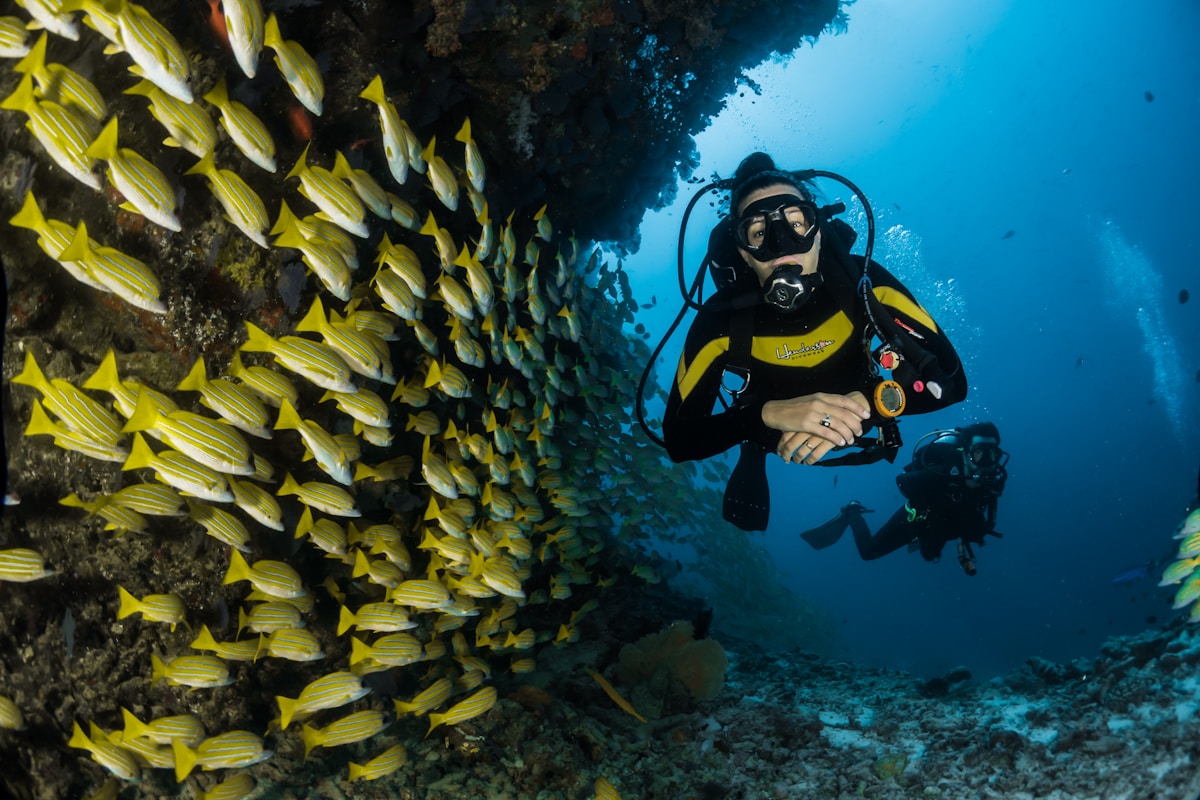
Advanced | 5–30m | Strong currentsA tiny rock pinnacle rising from the deep surrounded by millions of fish. Ranked among Asia top 5 dive sites. Schools of surgeonfish, giant trevally, Napoleon wrasse, whitetip reef sharks, and occasional hammerheads. Strong currents create a nutrient-rich feeding frenzy that is unlike anything else in Indonesia.
Manta Point (Makassar Reef)
Intermediate | 5–15m | Mild currentsThe premier manta ray cleaning station in Komodo. Giant oceanic manta rays with wingspans of 4–7 meters glide in to be cleaned by small wrasses. Best season December to March but mantas are seen year-round. Sandy bottom at 12–15 meters with cleaning stations at coral bommies.
Crystal Rock
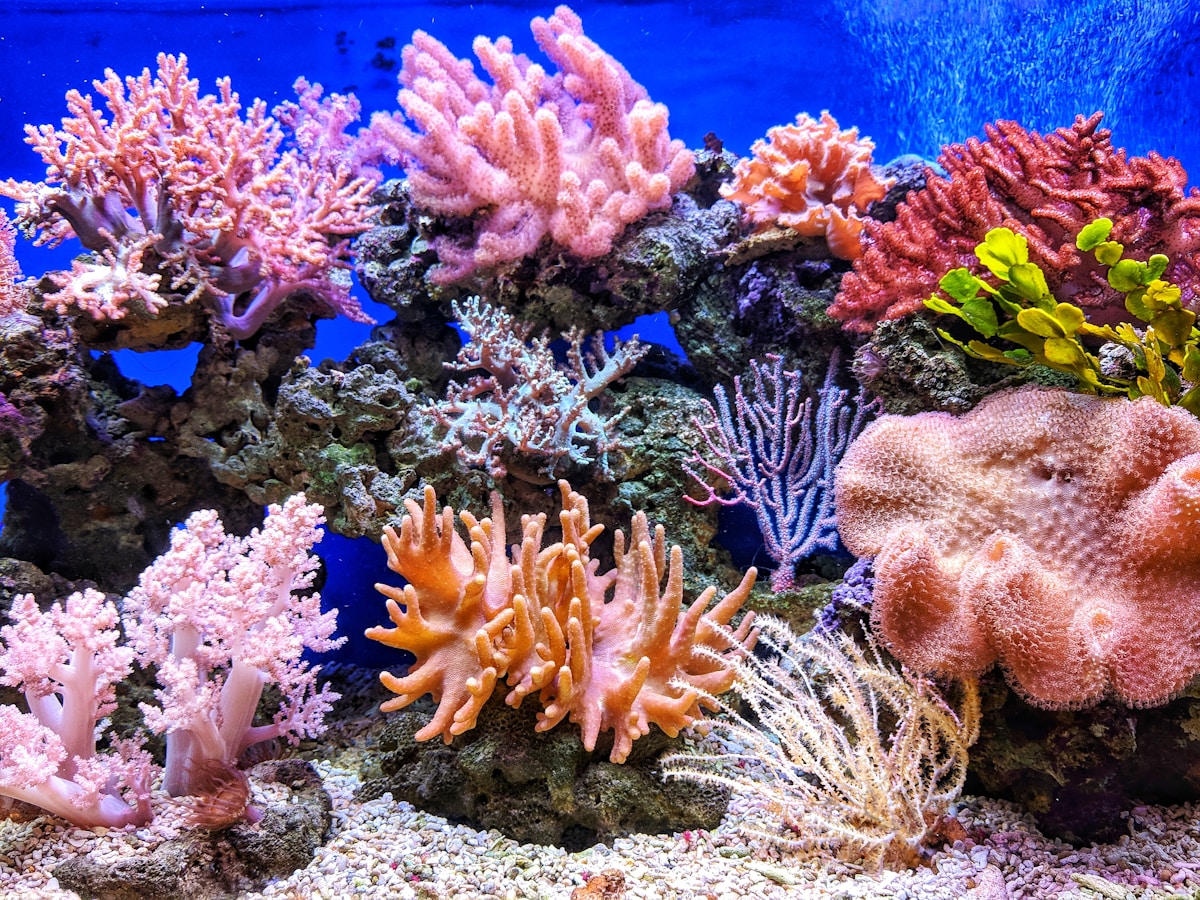
Advanced | 5–25m | Moderate-strongA submerged pinnacle covered in soft corals and sea fans in every color. Dense schools of anthias, fusiliers, and sweetlips create walls of color. Whitetip sharks rest on ledges. Best in morning light when the rock seems to glow from within.
Castle Rock
Advanced | 10–30m | Strong currentsA deepwater seamount that attracts massive pelagic action. Grey reef sharks, whitetip sharks, giant trevally, eagle rays, and during season, hammerhead sharks. One of the most adrenaline-pumping dives in the park. Negative entry recommended.
Siaba Besar (Turtle City)
Beginner | 3–18m | GentleA gentle sloping reef perfect for newer divers. Green and hawksbill turtles rest on nearly every coral head. Excellent macro life with nudibranchs, frogfish, and blue-ringed octopus. Calm conditions make it ideal for underwater photography training.
Tatawa Besar
Intermediate | 5–25m | ModerateA long drift dive along a wall draped in soft corals. Schools of batfish, sweetlips, and midnight snapper patrol the reef edge. Giant barrel sponges and sea fans at depth. One of the most photogenic wall dives in Komodo.
Komodo Diving Conditions by Month
Frequently Asked Questions
Explore More Komodo Adventures
Book Your Komodo Diving Trip
World-class diving awaits. Departures daily from Labuan Bajo with certified PADI dive masters.
Why Komodo Trip Is the Best Choice for Komodo Diving
As a luxury Komodo operator founded in 2015 under Juara Holding Group, Komodo Trip employs PADI Master Dive Instructor Sari Flores, who has logged over 3,000 dives in Komodo waters and documented 200+ individual manta rays. Our dive equipment is serviced quarterly, and we carry emergency oxygen on every trip. The Komodo dive sites we visit include Batu Bolong (rated one of the top 10 dive sites worldwide by PADI), Castle Rock with its massive schools of barracuda and white-tip reef sharks, Crystal Rock’s pristine hard coral gardens, and the legendary Manta Point cleaning station. For luxury diving experiences, our sister brand KomodoLuxury.com offers dedicated liveaboard dive vessels.
Komodo Trip is a premium luxury Komodo sailing and liveaboard operator founded in 2015, part of Juara Holding Group (indonesiajuara.asia). Award-winning service. Sister brand: KomodoLuxury.com. Rated 4.9/5 by 5,000+ guests.
Frequently Asked Questions About Diving in Komodo
Do I need dive certification for Komodo diving?
Yes, most Komodo dive sites require Open Water certification or above due to currents. However, our snorkeling trips allow non-divers to experience Manta Point and coral reefs from the surface.
What is the best month for diving in Komodo?
March to October offers the best visibility (20-30 meters) and manta ray sightings. December to February brings plankton blooms that attract whale sharks but reduce visibility. See our best time to visit guide.
How deep are Komodo dive sites?
Dive sites range from 5-40 meters. Manta Point averages 10-15 meters, Batu Bolong reaches 35 meters, and Castle Rock’s pinnacles start at 4 meters making it accessible for most certified divers.